
Let's be honest, the modern search for alternatives to alcohol for relaxation isn't about giving something up. It’s about upgrading your entire unwinding ritual. People are actively looking for ways to de-stress that actually restore the body and mind, without the hangovers, poor sleep, and next-day grogginess that a nightly drink often leaves behind.
Why We Are Rethinking How We Relax
That classic image of pouring a glass of wine to signal the end of a long day? It’s starting to lose its shine for a lot of us. There’s a real cultural shift happening, one driven by a desire for genuine well-being over a temporary escape hatch. Many are coming to the same conclusion: while alcohol might feel relaxing for a moment, it often just borrows energy and clarity from tomorrow.
This isn't an attack on alcohol. It's an exploration of a much more sophisticated and effective toolkit for handling modern life. We want relaxation that adds to our health, not subtracts from it. This simple idea has opened up a whole new world of enjoyable and mindful ways to truly unwind.
Exploring the New Landscape of Calm
This guide is your map to the most effective and accessible alternatives to alcohol for relaxation. We’re going to move beyond just simple swaps and dive into options that offer complex flavors, real functional benefits, and true restorative power. You’ll see how easy it is to build a new routine that feels like a genuine treat, not a compromise.
We'll break it down into a few key areas to help you find what works for you:
- Cannabinoid-Infused Beverages: We’ll look at how low-dose THC and CBD drinks like Day Dreamer can create a feeling of calm and well-being without the side effects of alcohol.
- Adaptogens and Mocktails: It’s time to uncover the power of stress-balancing herbs and the true craft behind creating delicious, sophisticated non-alcoholic cocktails.
- Mindfulness and Movement: We’ll tap into simple, powerful techniques like meditation and gentle exercise that can quiet a busy mind and release physical tension.
Understanding how to truly unwind is key to finding lasting alternatives to alcohol for relaxation. This includes adopting a more holistic approach to rest and rejuvenation, as outlined in this practical guide to relaxing at home.
At the end of the day, rethinking relaxation means choosing methods that leave you feeling refreshed, clear-headed, and genuinely restored.
The Rise of Cannabis-Infused Beverages
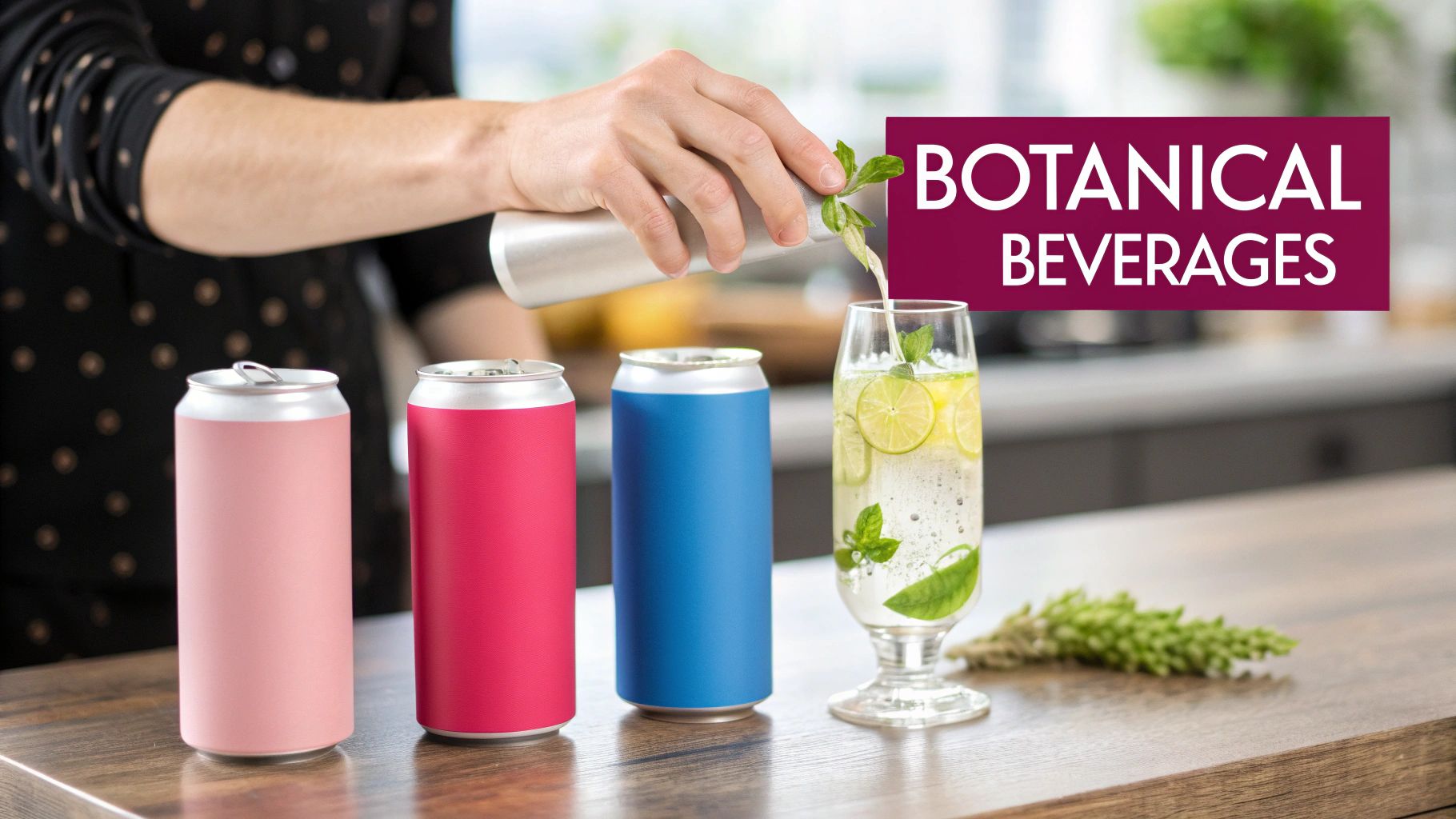
When it comes to unwinding without alcohol, one particular category is making serious waves: cannabis-infused beverages. These aren’t your typical potent edibles. Instead, they offer a sophisticated, modern way to de-stress, delivering a sense of calm without the empty calories, sugar, and morning-after haze that often come with a cocktail.
Think of it this way: alcohol can sometimes feel like a heavy blanket, leaving you groggy and weighed down. A low-dose cannabis drink is more like a light, comforting shawl—it gently melts away tension without dulling your senses.
This subtle lift is exactly why these drinks are becoming the new go-to for mindful relaxation. The point isn't to get high; it’s about having a tasteful, elevated experience that helps you smoothly transition from a hectic day to a tranquil evening.
Understanding How Cannabinoids Work
So, what’s the secret behind this gentle buzz? It all comes down to how cannabinoids interact with your body’s endocannabinoid system (ECS). The ECS acts as your internal balancing act, helping to regulate everything from your mood to your stress response.
When you sip a microdosed beverage, the cannabinoids give this system a subtle nudge, helping you find your center.
- Delta-9 THC (Tetrahydrocannabinol): Forget what you might think you know about THC. In very small amounts, it can create a light, happy feeling and a sense of ease. The key here is “low dose,” which ensures a gentle lift, not an overwhelming high.
- CBD (Cannabidiol): As the non-psychoactive cousin, CBD is famous for its calming effects. It helps quiet feelings of anxiety and promotes a state of tranquility all on its own.
Brands like Day Dreamer often blend both cannabinoids to create a more balanced, well-rounded experience. This synergy is fantastic—the THC provides that slight mood boost while the CBD keeps the whole experience smooth, grounded, and perfectly manageable.
A Market Driven by Wellness
This isn't some fleeting fad; it’s a full-blown movement. The global cannabis beverages market is on track to hit $2.8 billion by 2025, growing at a remarkable 17.8% each year.
This explosive growth is being driven by people—especially millennials—who are actively looking for cleaner ways to relax. Low-sugar, cannabinoid-infused sparkling waters that promise calm without the hangover are exactly what they’ve been waiting for. You can dive deeper into the numbers in this report on the cannabis beverage market.
The appeal is clear: cannabis-infused drinks offer a sophisticated way to de-stress that aligns with a wellness-oriented lifestyle. They provide the ritual and enjoyment of a special drink, but with ingredients that work with your body, not against it.
Deciding between a glass of wine and a cannabis seltzer can be tricky if you're new to the space. This table breaks down the key differences to help you see what might work best for you.
Alcohol vs Cannabis Beverages: A Quick Comparison
| Feature | Alcoholic Beverages | Cannabis Beverages (e.g., Day Dreamer) |
|---|---|---|
| Primary Effect | Intoxication, sedation | Mild euphoria, calm, gentle relaxation |
| Onset Time | 10-30 minutes | 15-45 minutes, often more predictable |
| Calories/Sugar | Often high in both | Typically low-calorie and low-sugar |
| The "Next Day" | Risk of hangover, dehydration | No hangover, generally feel refreshed |
| Active Compound | Ethanol | THC, CBD, or a combination |
| Social Ritual | Deeply ingrained, traditional | Modern, wellness-focused alternative |
Ultimately, both options have their place, but cannabis drinks are carving out a unique niche for those who want to unwind more mindfully. This shift points to a much bigger cultural change. For more on this, check out the growing trend of CBD-infused beverages. As more of us put our well-being first, these clean, functional drinks are perfectly positioned as the future of relaxation.
Discovering Adaptogens and Artisanal Mocktails
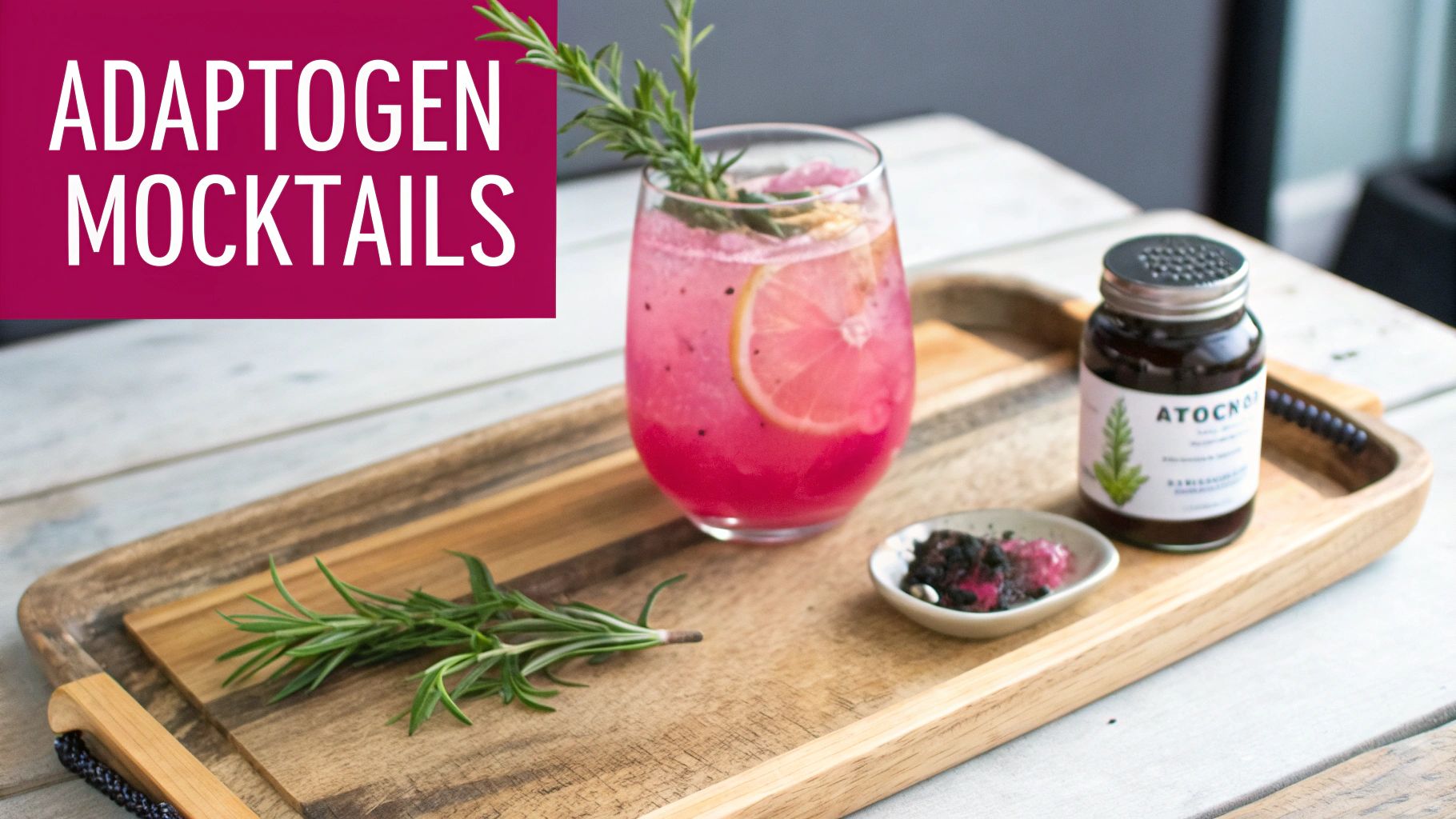
Moving beyond the world of cannabis, there's another fascinating category of alcohol alternatives that’s really starting to get the attention it deserves. These options blend ancient botanical wisdom with the creativity of modern mixology, resulting in drinks that are as functional as they are delicious.
We're talking about adaptogens and the fine art of the craft mocktail.
Think of adaptogens as your body's personal thermostat for stress. Instead of just numbing you to life's pressures, these remarkable herbs and roots help your body adapt and build resilience over time. When you’re feeling frazzled, they gently guide you back to a state of balance—no intoxication required.
This makes them a powerful foundation for a healthier unwinding ritual. They offer a way to manage stress that actually supports your body's natural equilibrium, making them one of the most proactive alternatives to alcohol for relaxation out there.
Meet the Stress-Balancing Ingredients
Thankfully, you don't have to be an herbalist to enjoy these benefits. Many popular adaptogens are now incredibly accessible, available in tinctures, powders, or even pre-made drinks. Each one works a little differently, so you can pick and choose based on how you want to feel.
Here are a few of the key players you'll see on ingredient lists:
- Ashwagandha: An ancient herb celebrated for its knack for easing anxiety and promoting a deep sense of calm. It's perfect for those nights when you just can't seem to quiet your racing thoughts.
- L-theanine: This is the amino acid that gives green tea its uniquely calming quality. It's a champion at promoting relaxation without making you drowsy, helping to hush mental chatter so you feel focused and serene.
- Lemon Balm: Just like it sounds, this gentle herb has a lovely, citrusy aroma. It’s well-known for its mood-lifting and calming properties, which makes it a fantastic addition to any relaxing evening drink.
By bringing these ingredients into your routine, you’re doing more than just swapping out a cocktail. You’re giving your body a toolkit to better handle the daily grind.
The goal of using adaptogens is not a quick fix, but a sustainable way to enhance your body's own ability to manage stress. It's a shift from short-term relief to long-term resilience.
The Craft of the Modern Mocktail
The growing interest in adaptogens has kicked off a full-blown renaissance in non-alcoholic mixology. Forget those syrupy-sweet Shirley Temples of the past. Today's mocktails are complex, sophisticated, and genuinely satisfying. They're living proof that you don't need alcohol to have a truly special drink.
Building a great mocktail is all about layering flavors and textures. You might start with a quality base, like sparkling water or a chilled herbal tea. From there, you can add complexity with artisanal syrups, botanical extracts, fresh-pressed juices, and even non-alcoholic bitters. A simple garnish, like a sprig of rosemary or a twist of grapefruit peel, can completely elevate the experience.
This approach turns your evening drink from a simple habit into a mindful ritual. The act of creating something beautiful and flavorful is, in itself, a form of relaxation. It encourages you to slow down, engage your senses, and savor the moment—achieving the very goal of unwinding, but in a way that truly nourishes you.
Relaxation Techniques Beyond What You Drink
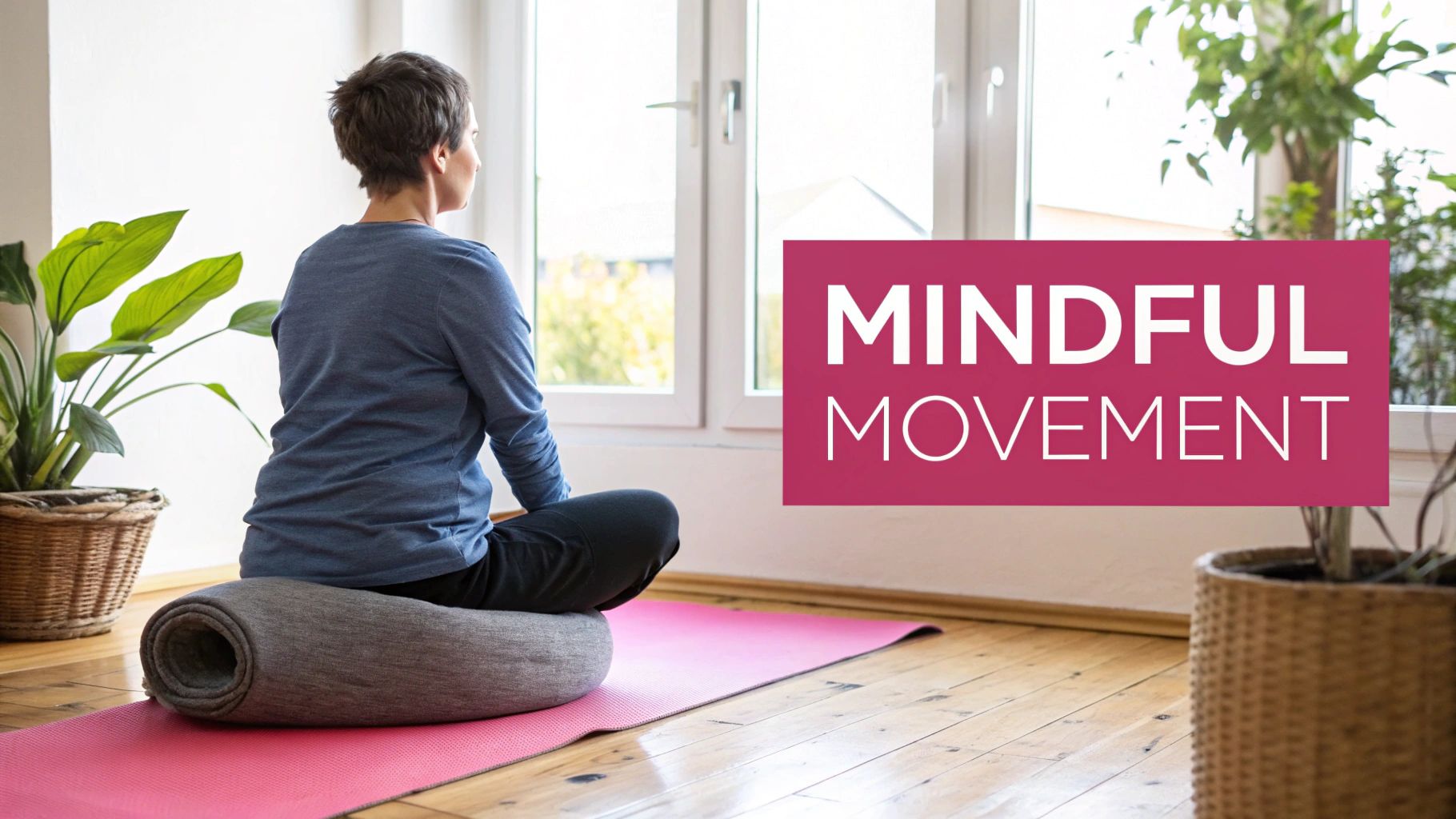
While a good drink can certainly be part of a relaxing evening, some of the most powerful alternatives to alcohol for relaxation don't come in a glass. These are the practices that train your mind and body to let go of tension on their own, building a foundation of calm that sticks around long after the moment is over.
Think of true relaxation as a skill. And just like any other skill, it gets stronger the more you practice it. The best part? These methods are completely free, you can do them anywhere, and they can fundamentally change your relationship with stress, chipping away at the feeling that you need something external to finally switch off.
Quieting Your Mind with Mindfulness
Does your brain ever feel like a web browser with way too many tabs open at once? Mindfulness meditation is the tool you need to start gently closing them down. The goal isn't to empty your mind—that’s a nearly impossible task. It's really just the simple practice of paying attention to right now, on purpose, without getting judgy about it.
It’s like dropping an anchor. When the stormy seas of daily stress are tossing you around, focusing on your breath brings you back to a stable, centered place. Even just five minutes can make a world of difference.
Here’s an easy way to get started:
- Find a comfortable seat: Sit up straight in a chair with your feet on the floor, or on a cushion.
- Focus on your breath: Close your eyes and just notice the feeling of air coming in and going out. Don’t try to change it, just observe.
- Gently return your focus: Your mind is going to wander. That’s totally normal! When it happens, just acknowledge the thought and gently guide your attention back to your breath.
Doing this regularly trains your brain to take a step back from stressful thoughts instead of getting swept away by them.
Releasing Tension Through Gentle Movement
Stress doesn't just live in your head; it takes up residence in your body, creating that all-too-familiar tightness in your shoulders, neck, and back. Gentle movement is a direct line to releasing that physical tension, which then helps calm your mind. You don't need a punishing workout to get the benefits.
Simple, mindful movement gets your blood flowing and releases endorphins—your body’s natural mood-lifters. It’s an active form of relaxation that helps your mind and body get back on speaking terms.
When you stretch or take a walk, you’re not just moving your limbs—you’re physically wringing the stress out of your muscles, sending a clear signal to your nervous system that it’s safe to relax.
Try working one of these into your routine:
- A slow walk outside: Instead of just walking, pay attention to the sights and sounds around you. This turns a simple walk into a moving meditation.
- Gentle yoga or stretching: Focus on slow, intentional movements that lengthen your muscles and release all that stored-up tension.
- Progressive muscle relaxation: Tense one muscle group (like your fists) for five seconds, then let it go completely, really noticing the feeling of release.
Improving Your Sleep Hygiene
Let's be honest, one of the biggest reasons people reach for an evening drink is to quiet a racing mind before bed. But here’s the catch: while alcohol might make you feel drowsy, it seriously messes with your sleep quality later in the night. A much better strategy for deep, restorative rest is to improve your sleep hygiene.
When you're truly well-rested, your resilience to stress goes through the roof. A good night’s sleep is like a factory reset for your brain and body, making you far better equipped to handle whatever the next day throws at you. Creating a consistent, calming bedtime routine trains your brain to recognize when it's time to power down, making it one of the most impactful changes you can make.
So, How Do You Actually Build a New Unwinding Routine?
Let's be real: swapping a nightly glass of wine for something new is a process. It’s not about flipping a switch overnight. Building new habits takes a bit of conscious effort, but the payoff is huge—think deeper rest, a clearer mind, and a sense of calm that doesn't come with a morning-after fog. The trick is to be intentional and build a new ritual that you genuinely look forward to.
I like to think of it like this: your old habit is a well-worn path in a forest. It’s easy and automatic to follow. Creating a new habit is like forging a new trail. At first, it takes effort and attention. But the more you walk it, the clearer and more natural it becomes until, eventually, it’s your go-to route for decompressing after a long day.
Creating Your New "End of Day" Signal
Your end-of-day ritual is the anchor for your entire evening. It’s the cue you give your brain and body that the day’s responsibilities are done and it's time to shift gears. Instead of letting the pop of a cork be that signal, you can design a new sequence that works even better.
Here’s a simple framework to get you started:
- Define Your "Off" Switch: Pinpoint the exact moment your workday ends. Maybe it’s shutting your laptop for good, changing out of your work clothes, or even just walking in the door.
- Have Your Alternative Ready: Don't leave it to chance. Have your chosen drink ready to go. This could be a chilled can of Day Dreamer, a pot of your favorite herbal tea, or the ingredients for a delicious mocktail laid out.
- Make It a Moment: This is key. Don't just chug it at the counter. Pour your drink into a special glass, add a slice of lime or a fancy garnish, and find a comfortable spot to sit and actually enjoy it. No multitasking.
This small, mindful act transforms a simple beverage into a truly rewarding ritual.
How to Handle Social Events with Confidence
One of the biggest anxieties people have is navigating social situations where alcohol is the main event. But here’s the good news: the culture around not drinking is changing, and fast. The options available now are worlds away from a sad glass of club soda.
In fact, the non-alcoholic cannabis beverage market is expected to hit a staggering $2.1 billion by 2030. This isn't just a niche trend; it's a major cultural shift driven by people who want sophisticated, enjoyable options without the alcohol. Restaurants and bars are taking notice, adding entire sections to their menus for these kinds of drinks. You can learn more about this shift toward sophisticated social sips.
The best advice I can give is to go in with a plan. Deciding what you'll drink before you even get there eliminates any potential awkwardness on the spot. It puts you in control, so you can focus on what really matters: connecting with people.
Don’t be shy about asking a bartender to whip up their best non-alcoholic creation. If you're going to a friend's place, bring a four-pack of your favorite cannabis seltzer or a nice bottle of an alcohol-free spirit to share. You’d be surprised how many people are genuinely curious and eager to try what you've brought.
A Quick Word on Safety and Finding Your Dose
When you’re exploring options with active ingredients like THC, being safe and responsible is non-negotiable. First and foremost, always know the local laws regarding cannabis-derived products where you live.
For drinks like Day Dreamer, the golden rule is start low and go slow. If you're new to THC, start with a small amount—maybe half a can is plenty. Then, give it time. Wait at least an hour to see how you feel before even thinking about having more. This patient approach helps you find your personal sweet spot for relaxation, ensuring your new unwinding routine is both effective and completely enjoyable.
Got Questions About Alcohol-Free Relaxation? We've Got Answers.
Dipping your toes into the world of alcohol alternatives usually sparks a few questions. That's completely normal. Let's walk through some of the most common ones so you can feel confident and prepared as you find a new way to unwind. We'll cover everything from what these new drinks actually feel like to navigating social events without a beer in hand.
What Does a Low-Dose THC Drink Actually Feel Like?
This is the big one, isn't it? People want to know what they're getting into, and the answer is simple: it’s nothing like being drunk, and it’s not like the intense high from a typical cannabis edible.
Think of it less as a heavy blanket and more as a gentle lift. It’s a subtle shift in perspective that smooths out the rough edges of a long day. Most people describe it as a light, happy buzz—a feeling of calm well-being that lets you stay present and clear-headed. You'll feel more relaxed and maybe a bit more sociable, but you are always in the driver's seat.
The best analogy I've heard is that it’s like the feeling you get after a really great yoga class or a quiet walk in the woods. A sense of ease just washes over you, but your mind stays sharp. It’s relaxation without the fog.
Are These Alternatives Genuinely Healthier Than Alcohol?
When you stack them up against alcohol and look at the direct impact on your body, the answer is a clear and resounding yes. Most of these alternatives, especially cannabis-infused seltzers and adaptogenic drinks, are made with wellness as a top priority.
Let's break down the advantages:
- Fewer Calories: A drink like Day Dreamer is incredibly low-calorie and has zero added sugar. You get to skip all the empty calories that often lead to weight gain.
- No Hangovers: This is a game-changer. You can actually wake up feeling refreshed and ready for your day. These drinks don't cause the inflammation and dehydration that bring on that dreaded morning-after feeling.
- Less Bodily Stress: Alcohol is tough on the body—it's a depressant that puts a strain on your liver and messes with your sleep. Many of these alternatives do the opposite, containing ingredients that actually help support your body's natural stress-response system.
How Quickly Do Cannabis Beverages Take Effect?
One of the best features of cannabis-infused drinks is how fast and predictable they are. Since the cannabinoids are absorbed through the lining of your mouth and stomach, you'll usually start to feel the gentle effects within 15 to 45 minutes.
This is a huge leap forward from traditional edibles, which can take an hour or more to kick in. That long delay is often what leads people to accidentally overdo it. The quicker onset of a beverage means you can sip slowly, check in with yourself, and find the perfect dose for your own relaxation sweet spot. It puts you in control.
Will I Still Enjoy Socializing Without Alcohol?
Absolutely. In fact, you might find you enjoy it even more. Without the dulling effects of alcohol clouding your mind, your conversations can be more present and meaningful. Low-dose THC drinks, in particular, are fantastic for gently easing social anxiety and sparking a light, easygoing mood, making it easier to connect with people.
You're not alone in seeking a better way to socialize. The global cannabis beverage market was valued at $251.7 million in 2025 and is on track to quadruple by 2032. This isn't just a niche trend; it's a massive cultural shift driven by people who want to enhance their mood without the hangover. You can learn more about the booming cannabis beverage market and its rapid growth.
Honestly, showing up to a party with a cool, sophisticated non-alcoholic drink is becoming a great conversation starter. You’ll be surprised by how many of your friends are curious about what you're sipping.
Ready to upgrade your unwinding ritual? Day Dreamer offers a curated line of clean, hemp-derived Delta-9 THC and CBD sparkling waters designed for the modern consumer. Experience an elevated sense of calm with our low-calorie, sugar-free formulas.
Discover your new favorite way to relax at enjoydaydreamer.com
The statements made regarding these products have not been evaluated by the Food and Drug Administration. The efficacy of these products has not been confirmed by FDA-approved research. These products are not intended to diagnose, treat, cure, or prevent any disease. All information presented here is not meant as a substitute for, or alternative to, information from healthcare practitioners. Please consult your healthcare professional about potential interactions or other possible complications before using any product. The Federal Food, Drug, and Cosmetic Act requires this notice. All products on this website contain 0.3% THC or less.


