
You know that awful, groggy feeling. The pounding head, the queasy stomach, the overwhelming desire to just stay in bed. It feels exactly like a hangover, but there’s one problem: you didn’t have a single drink last night.
It’s a frustrating and confusing experience, but it’s very real. This isn't just in your head. Your body is reacting to some kind of stress, inflammation, or imbalance, and the symptoms it produces—like those from dehydration, poor sleep, or blood sugar swings—can perfectly mimic a traditional hangover.
So, What Is This Phantom Hangover?
Waking up feeling hungover when you haven't been drinking is often called a “phantom hangover.” Instead of being caused by alcohol, it’s triggered by other physiological stressors that push your body out of balance. Think of it less as a punishment for a wild night and more as a powerful distress signal from your body telling you something is off.
The good news is that this is a solvable puzzle, not an unsolvable mystery. By learning to decode those signals, you can pinpoint the real culprit and start feeling better.
What’s Actually Causing This Feeling?
At its core, that "hangover feeling" is just a cluster of symptoms caused by physiological stress. Alcohol is a famous stressor, but it’s far from the only one. So many other things can throw your body into a similar state of disarray.
In fact, research shows that classic hangover symptoms—fatigue, thirst, headaches, and brain fog—are frequently triggered by non-alcoholic causes, like major disruptions to your sleep or metabolism. You can discover more about how these factors create hangover-like symptoms even without alcohol.
This guide will walk you through exactly what could be going on. We'll start by breaking down the most common triggers and then give you practical strategies for immediate relief and long-term prevention. The goal is to help you spot your personal patterns and build a lifestyle that keeps these phantom hangovers from ever showing up again.
Here's what we’ll cover:
- 9 Common Medical and Lifestyle Causes: A deep dive into everything from dehydration and sleep debt to caffeine withdrawal and even inner-ear issues.
- How to Figure Out Your Triggers: A simple self-assessment to connect your daily habits to the symptoms you're feeling.
- Quick-Relief Strategies: Actionable steps you can take right now to start feeling better.
- Long-Term Prevention: Smart, sustainable habits to keep you feeling clear-headed and energized.
Decoding the Top Causes of Phantom Hangovers
You wake up feeling fuzzy, your head is pounding, and you’re bone-tired. But you haven’t had a single drop of alcohol. What gives?
This is a classic "phantom hangover," and it's your body’s way of telling you that something is out of whack. Think of your body as a finely-tuned instrument; when one string is off, the whole thing sounds wrong. Let's figure out which "string" might be causing the problem.
Dehydration: The Dry Engine Effect
More often than not, the culprit is simple: you’re dehydrated. Even a slight fluid loss of just 1-2% can trigger fatigue, dizziness, and a splitting headache. It's like trying to run an engine without enough oil—everything just seizes up.
And you don't have to run a marathon to get there. Forgetting to drink water on a busy day, spending time in a dry, air-conditioned office, or simply not rehydrating enough after a workout can leave you in a deficit. By morning, your body is sounding the alarm with that all-too-familiar hangover feeling.
Sleep Deprivation: Your Unpaid Sleep Debt
Sleep is non-negotiable. It’s when your body and brain perform essential maintenance and repairs. When you shortchange yourself on quality sleep, you rack up a "sleep debt," and your body will demand repayment with interest.
That debt shows up as brain fog, irritability, and crushing physical exhaustion—the exact symptoms of a nasty hangover. Alcohol is notorious for wrecking your restorative REM sleep, but anything that messes with your sleep cycle can do the same. Stress, late-night screen time, or an inconsistent schedule can leave you feeling just as groggy.
Blood Sugar Swings: The Energy Rollercoaster
Your body runs on a steady supply of fuel in the form of blood sugar, or glucose. When your levels spike and then crash, it sends you on a wild energy rollercoaster that leaves you feeling awful. A diet packed with sugar and refined carbs is a common trigger for this cycle.
That post-spike crash is what brings on the hangover-like symptoms:
- Shakiness and weakness as your cells are suddenly starved for energy.
- Irritability and anxiety from the rush of stress hormones.
- A dull, throbbing headache as your brain reacts to the fuel shortage.
This explains why a donut for breakfast or a big pasta dinner can sometimes leave you feeling foggy and drained a few hours later, mimicking an alcohol-induced sugar crash.
Other Culprits Hiding in Plain Sight
While hydration, sleep, and blood sugar are the big three, a few other factors can leave you feeling less than 100%. These are often overlooked but can be the key to solving your phantom hangover mystery.
Your body is a complex system, and a hangover is its universal signal for "something is wrong." It could be a simple lack of water, or it could be the first sign of your immune system fighting off an illness. Learning to listen to these signals is the first step toward feeling better.
Nutritional gaps are a prime example. Low levels of key vitamins, like B12, can have a huge impact on your energy and mental clarity. If you're constantly feeling fatigued, it's worth it to recognize the signs of Vitamin B12 deficiency.
Other potential triggers include:
- Caffeine or Nicotine Withdrawal: If your body is used to a daily dose of these stimulants, skipping your usual amount can trigger headaches, nausea, and fatigue while it readjusts.
- A Brewing Illness: That pre-cold feeling? Your immune system is already working overtime, leading to body aches and exhaustion that feel just like a hangover before you even start sneezing.
- Medication Side Effects: Many common prescriptions and even over-the-counter drugs list drowsiness, dizziness, or nausea as potential side effects.
- Inner-Ear Issues: Your vestibular system controls your sense of balance. When it's off, it can cause dizziness and nausea that are easily mistaken for post-party symptoms.
- Migraines: A migraine isn't just the headache itself. The phases before and after an attack (the "pre-migraine" and "postdrome") can bring on days of fatigue, brain fog, and nausea.
How to Pinpoint Your Personal Triggers
It’s one thing to know the usual suspects behind that hangover-without-alcohol feeling. It’s another thing entirely to figure out which one is your culprit. This is where you have to put on your detective hat and start looking for clues in your own daily life.
The single best tool for this kind of personal investigation is a simple symptom journal. Don’t worry, this doesn't have to be an epic diary. We’re talking about jotting down a few key details each day to connect the dots between your actions and how you feel the next morning. You’re essentially looking for the pattern that cracks the case.
Start Your Symptom Journal
Give it a week or two. Grab a notebook or just use the notes app on your phone. Every evening or morning, take just a couple of minutes to reflect on the day before. The goal is to spot the differences between the days you wake up feeling great and the days you wake up feeling awful.
Here are the key questions to ask yourself about the previous 24 hours:
- Fuel & Hydration: What did I eat and drink? Was it a day full of sugar, processed foods, or extra coffee? And be honest—how much water did I really drink?
- Sleep: What time did I actually get to bed? How many times did I wake up? Did I wake up feeling like I'd slept at all?
- Stress: Was yesterday a high-stress, high-anxiety kind of day? What, if anything, did I do to unwind?
- Meds & Supplements: Did I take anything new? Or did I forget to take something I usually do?
- Movement: Did I exercise? Was it tougher than usual? Did I remember to drink water afterward?
By tracking this stuff, you’re building your own personal health map. Pretty soon, a pattern will likely jump out at you. You might realize, "Ah, every time I have that late-night dessert and only get five hours of sleep, I wake up feeling like I got hit by a truck."
This simple practice shifts you from just reacting to feeling terrible to proactively understanding why you feel that way. You get to the root of the problem, which is the only way to stop it from happening again.
Once you see your unique pattern, you can act with confidence. Maybe for you, it’s not just poor sleep, but poor sleep plus dehydration. Or maybe it’s the lingering stress from a brutal workday that’s the real issue. When you find the trigger, you know exactly what to target.
Finding Immediate Relief When You Feel Unwell
When you wake up feeling hungover without having had a single drink, the only thing on your mind is feeling human again. Fast. The good news is that getting back on your feet usually doesn't require anything complicated. A few simple, intentional steps can make a world of difference.
It might feel strange, but this experience is surprisingly common. Research has found that many people, especially younger adults, report hangover-like symptoms—groggy, headachy, irritable—triggered by things like stress or a bad night's sleep. Your body is basically sending you the same distress signals. By understanding the overlap in hangover symptoms from behavioral factors, you can learn to counter them effectively.
Your In-The-Moment Recovery Plan
When you’re feeling off, you need a simple game plan. Think of these steps as first aid for a phantom hangover.
-
Rehydrate Intelligently: Grabbing water is the right first instinct, but sometimes it isn't enough. If you're also feeling dizzy or weak, that's a classic sign you're low on electrolytes. Instead of just plain water, try coconut water, a low-sugar sports drink, or even a glass of water with a pinch of salt and a squeeze of lemon to help your body rebalance.
-
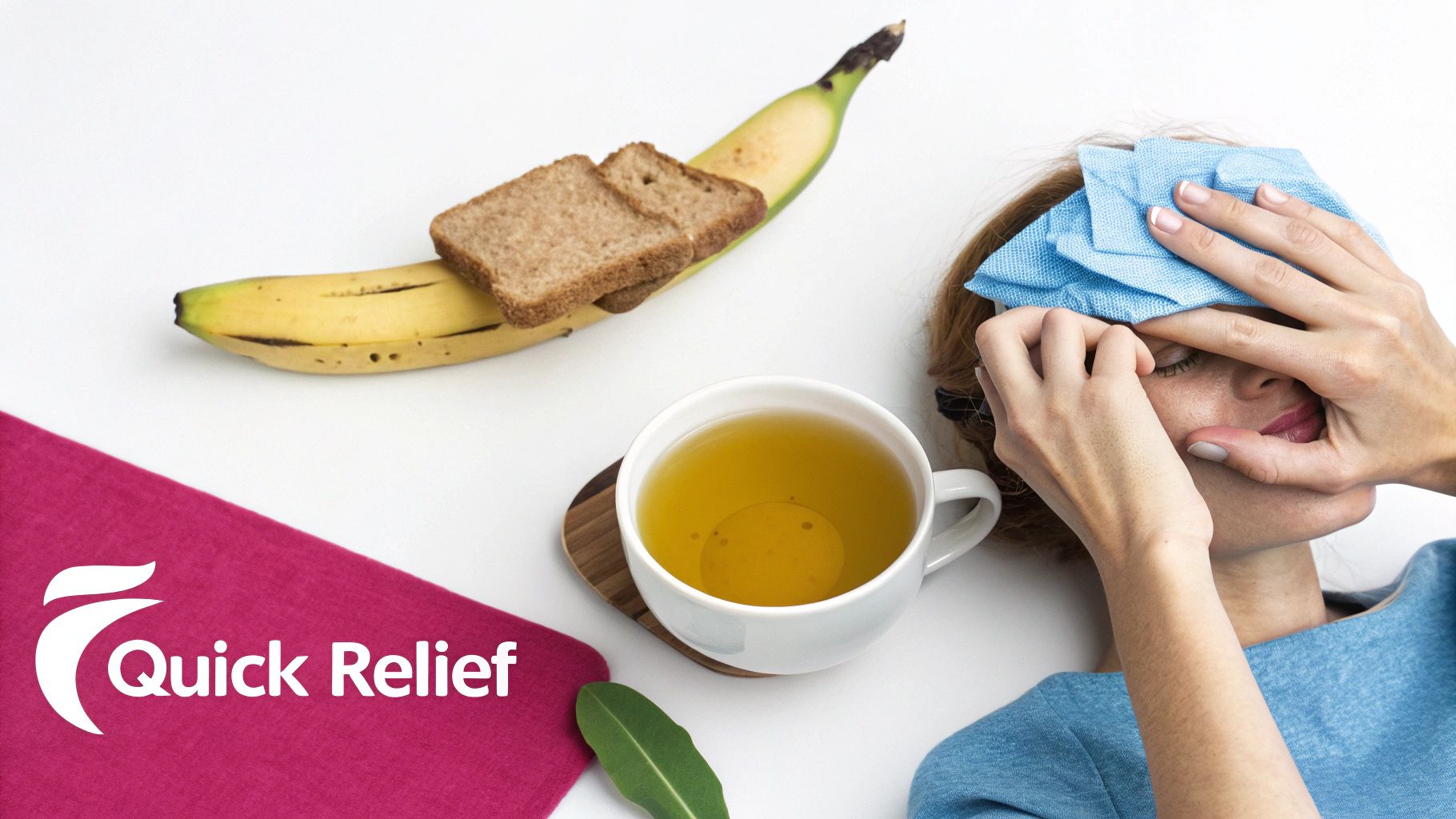
Eat Gentle, Stabilizing Foods: A queasy, empty stomach will only make things worse. Now is not the time for a greasy breakfast. Instead, reach for something simple to get your blood sugar back on track. A banana is great for potassium, and a piece of toast or some oatmeal provides slow-release energy that won't upset your stomach.
-
Use Comfort Measures: Don't underestimate the power of simple comforts. For a pounding headache, a cool compress on your forehead or the back of your neck can feel incredible. If it's nausea that's getting to you, sipping on ginger or peppermint tea is a classic way to soothe an unsettled stomach.
A "hangover" is your body's universal signal for being overwhelmed, whether from alcohol or other stressors. The solution is often the same: restore balance through hydration, gentle nutrition, and rest.
Light Movement and Fresh Air
I know it’s probably the last thing you want to do, but a short, gentle walk can be surprisingly effective. Getting your body moving helps boost circulation, which carries fresh oxygen and nutrients to your brain and muscles.
Just 10-15 minutes in the fresh air can do wonders to shake off the mental fog and improve your mood. The key here is gentle. This is not the time for an intense workout. A simple stroll around the block is all it takes to help your body and mind start to reset.
Building a Lifestyle to Prevent Future Hangovers
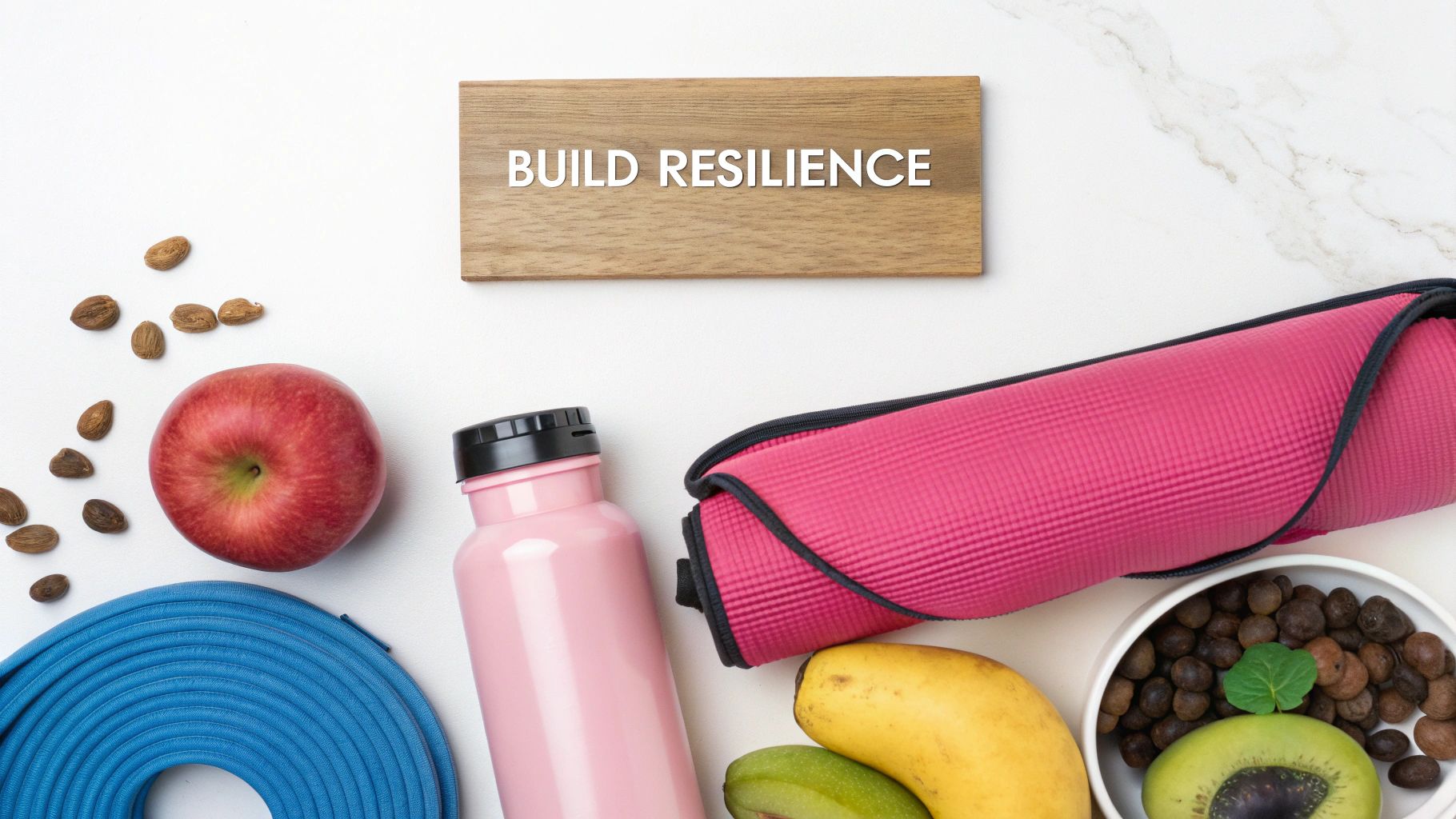
Getting some relief in the moment is one thing, but the real win is making sure that "hangover without drinking" feeling doesn't come back. This is all about moving from quick fixes to solid, proactive habits. When you build a resilient foundation, you make your body far less vulnerable to the daily stressors that trigger these phantom hangovers.
Think of it like building a house. You wouldn't wait for a storm to start patching leaks, would you? You’d build a strong roof from the very beginning. These lifestyle tweaks are your strong roof, built to handle whatever life throws at you.
Master Your Daily Hydration
Being consistently hydrated is the bedrock of feeling good. Don't wait until you're thirsty to start chugging water—by then, you're already behind. The trick is to sip steadily throughout the day. Keep a water bottle handy at all times; it's the best visual cue.
For an extra edge, especially after a workout or on a hot day, add a dash of electrolytes. A tiny pinch of sea salt in your water or a low-sugar electrolyte mix helps your cells actually absorb the fluid. This prevents the kind of cellular dehydration that brings on headaches and crushing fatigue.
Optimize Your Sleep Hygiene
Getting enough hours of sleep is only half the battle. The quality of that sleep is what truly matters. Improving your sleep hygiene means creating a routine that tells your body it's time to power down.
- Consistent Bedtime: Try to go to bed and wake up around the same time every single day. Yes, even on weekends. This gets your internal clock into a solid rhythm.
- Screen-Free Wind-Down: For at least an hour before bed, put away the phone, tablet, and laptop. That blue light messes with your body's production of melatonin, the sleep hormone.
- Create a Restful Environment: Your bedroom should be a cave—cool, dark, and quiet. This simple setup helps you fall asleep faster and stay asleep all night.
Balance Your Diet and Manage Stress
What you eat has a direct line to your energy and mood. To avoid the blood sugar roller coaster that feels just like a hangover, focus on whole foods. Lean proteins, healthy fats, and complex carbs will give you stable, long-lasting energy. And keep an eye on your caffeine and sugar intake, because the crash that follows a sudden spike can trigger headaches and irritability.
It's fascinating how differently people experience hangovers. Research shows that about 20-25% of heavy drinkers claim to never get one. This tells us that there's more at play than just the substance itself—things like genetics, inflammation, and immune responses are huge factors. It really drives home how important a resilient lifestyle is for all of us. You can learn more about the research on hangover symptom variability.
Finally, managing your stress is simply non-negotiable. Chronic stress keeps your body swimming in hormones that cause inflammation and exhaustion. You don't need a huge overhaul—just weave in simple, daily practices. A five-minute meditation, some deep breathing at your desk, or a quick walk outside can make a world of difference. These small habits add up, creating a buffer that protects you from the physical toll of stress so you can wake up feeling clear and energized.
When It’s Time to See a Doctor
Most of the time, that "phantom hangover" feeling is just your body's way of telling you it needs more water, better sleep, or a break from stress. It's usually a temporary blip. But sometimes, those symptoms are less of a gentle nudge and more of a check-engine light flashing on your dashboard. Ignoring it isn't the best idea.
Think of it this way: if you’ve been diligent about hydrating, getting your 7-9 hours of sleep, and eating well, but you still wake up feeling drained and headachy, something else is likely going on. When these feelings stick around for days on end, or start getting in the way of your job, family time, or just your ability to get through the day, it's time to get a professional opinion.
Red Flags That Shouldn't Be Ignored
It’s one thing to feel a bit off, but it’s another thing entirely when your body is sending up serious warning flares. If any of the following sound familiar, it's a good idea to book an appointment with your doctor.
-
A New Kind of Headache: We all get headaches, but pay attention if you experience one that's unusually severe or feels completely different from any you've had before.
-
Dizziness Paired with Vision Problems: Feeling dizzy is common, but if it comes with blurred or double vision, or you're seeing spots, that’s a significant warning sign.
-
Symptoms That Just Won't Quit: You’ve tried all the usual remedies, but the hungover feeling just isn't budging. If it's been days or has become your new normal, don't just put up with it.
-
Strange Neurological Sensations: This is a big one. Any numbness or tingling in your arms or legs, sudden confusion, or trouble getting words out needs immediate medical attention.
At the end of the day, you know your body better than anyone. If your gut is telling you that this is more than just fatigue or a need for more water, listen to it. Getting checked out can give you peace of mind, or better yet, get you on the path to feeling like yourself again.
Got Questions? We've Got Answers
If you're trying to figure out why you feel hungover without drinking, you're not alone. It’s a confusing feeling, and a lot of common questions pop up. Let's get you some clear, straightforward answers.
Can Stress and Anxiety Really Make Me Feel Hungover?
You bet they can. Think of high stress as your body's emergency alarm system. It floods you with hormones like cortisol, kicking off that "fight-or-flight" response.
Staying in that high-alert state is exhausting. It can mess with your sleep, cause inflammation, and trigger killer tension headaches—sound familiar? A night spent tossing and turning with worry can leave you feeling just as foggy and drained as a night with too many cocktails.
I Quit Drinking, So Why Do I Still Feel Hungover Sometimes?
This is a really common experience, and it's often linked to something called Post-Acute Withdrawal Syndrome (PAWS). Even long after the alcohol is gone, your brain and body are on a long road to recovery, working hard to get their chemistry back in balance.
This recalibration process can bring on waves of symptoms that feel almost identical to a hangover. You might experience:
- Overwhelming fatigue and grogginess
- Mood swings and irritability
- Stubborn brain fog that makes it hard to focus
It’s frustrating, but try to see it as a sign that your body is actively healing and finding its natural rhythm again.
Could My Diet Be the Real Problem Here?
Absolutely. What you eat plays a huge role in how you feel day-to-day. A diet packed with sugar and heavily processed foods can send your blood sugar on a wild rollercoaster. The inevitable crash leaves you with headaches, irritability, and fatigue—a perfect hangover imitation.
Food sensitivities can also be a hidden cause, sparking inflammation that results in body aches and that "blah" feeling.
On top of that, don't overlook a simple lack of nutrients. If you're low on key players like magnesium or B vitamins, your body just can't produce energy efficiently. This can leave you feeling chronically sluggish and unwell. A solid, balanced diet is your first line of defense against these phantom hangovers.
Ready to explore a more mindful way to unwind? Day Dreamer offers a sophisticated alternative with our clean, hemp-derived Delta-9 THC and CBD sparkling waters. Elevate your experience without the next-day regrets. Discover a new ritual at https://enjoydaydreamer.com.


