
In a world that often equates unwinding with a glass of wine or a cocktail, finding effective ways to relax without alcohol can feel like a challenge. The desire for clear-headed calm and genuine stress relief is growing, whether you're sober-curious, actively reducing your intake for health reasons, or simply exploring healthier coping mechanisms. This guide is your definitive resource, offering a practical roundup of evidence-backed techniques designed to help you decompress without the negative side effects of alcohol.
We're moving beyond generic advice to provide actionable strategies tailored for different needs. This list includes everything from quick, in-the-moment resets you can do at your desk to deep, restorative rituals that can reshape your evening routine. We will cover a range of powerful methods, including meditation, progressive muscle relaxation, creative expression, and nature-based therapies.
Each item is designed to calm your nervous system, enhance your well-being, and demonstrate that true, lasting relaxation doesn't need to come from a bottle. Forget the hangovers and empty calories; it's time to discover sustainable practices that genuinely support your mental and physical health. Let's explore ten powerful strategies to find your peace, completely alcohol-free.
1. Meditation and Mindfulness (including Body Scan)
Instead of reaching for a drink to quiet a racing mind, meditation and mindfulness offer a sustainable way to relax without alcohol by training your brain to find calm from within. These practices involve cultivating present-moment awareness and observing your thoughts and physical sensations without judgment. By engaging the body’s parasympathetic nervous system (the "rest and digest" system), mindfulness directly counters the physiological stress response, lowering heart rate and reducing cortisol levels.
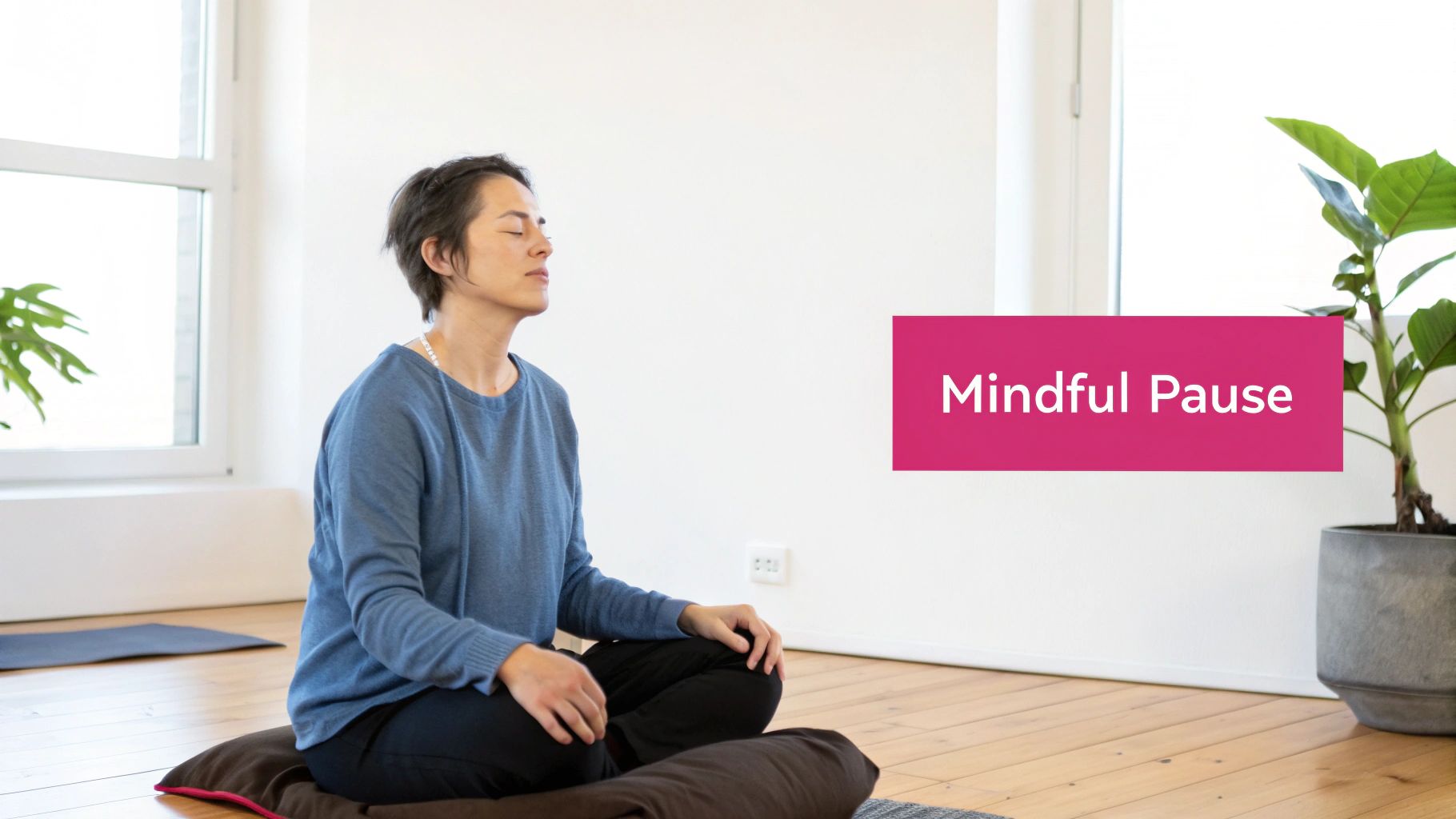
This isn’t just an abstract concept; it’s a clinically proven tool used in Mindfulness-Based Stress Reduction (MBSR) programs in hospitals and clinics worldwide. Its effectiveness is rooted in its ability to change how you relate to stress over time, building long-term emotional resilience.
How to Get Started
- Start Small: Begin with just five minutes of guided meditation or a body scan using an app like Calm or Headspace. Consistency is more important than duration.
- Try a Body Scan: Lie down comfortably and bring your attention to your toes. Notice any sensations (warmth, tingling, pressure) without trying to change them. Slowly move your focus up through your feet, legs, torso, and all the way to the top of your head.
- Establish a Routine: Practice at the same time each day, like first thing in the morning or before bed, to build it into a habit.
To dive deeper into cultivating inner calm, explore these essential meditation techniques for beginners.
2. Progressive Muscle Relaxation (PMR)
Progressive Muscle Relaxation (PMR) is a powerful somatic technique that offers a direct, physical way to relax without alcohol. The method involves systematically tensing specific muscle groups and then releasing them, creating a profound awareness of the contrast between tension and deep relaxation. This process interrupts the body's stress feedback loop, actively signaling your nervous system to calm down and reducing physical symptoms of anxiety.
Developed by Dr. Edmund Jacobson in the 1920s, PMR is a cornerstone of cognitive-behavioral therapy and is used clinically to treat conditions like insomnia, chronic pain, and PTSD. Its effectiveness lies in its ability to release pent-up physical stress that often goes unnoticed, providing an immediate and tangible sense of calm that many people seek from a drink.
How to Get Started
- Follow a Sequence: Start at your feet and work your way up. Tense the muscles in your toes for 5 seconds, focusing on the feeling, then release for 15-20 seconds, noticing the sensation of relaxation.
- Isolate Muscle Groups: Move methodically through your body: calves, thighs, glutes, abdomen, arms, hands, shoulders, and face.
- Breathe Deeply: Coordinate your breath with the movements. Inhale as you tense the muscles and exhale fully as you release them.
- Use a Guide: Especially when starting, follow a guided audio recording to walk you through the process without having to think about the next step.
- Practice Before Bed: PMR is exceptionally effective at preparing the body for sleep, making it a perfect addition to your evening wind-down routine.
3. Deep Breathing Exercises
One of the most immediate and accessible ways to relax without alcohol is by harnessing the power of your own breath. Deep breathing exercises intentionally alter your breathing pattern to directly activate the parasympathetic nervous system, your body's natural "rest and digest" mode. This physiological shift quickly lowers heart rate, reduces cortisol levels, and increases oxygen to the brain, producing a tangible calming effect in minutes.
This isn't just about taking a deep breath; it's a science-backed technique used in high-stress environments, from military training to hospital emergency rooms, to manage acute stress and anxiety. The intentional control over your respiration sends a powerful signal to your brain that you are safe, counteracting the fight-or-flight response.
How to Get Started
- Try Box Breathing: Inhale through your nose for a count of four, hold your breath for four, exhale completely for four, and hold again for four. Repeat this cycle 3-5 times.
- Practice 4-7-8 Breathing: Popularized by Dr. Andrew Weil, this technique involves inhaling for four seconds, holding your breath for seven, and exhaling slowly for eight. The long exhale is key to relaxation.
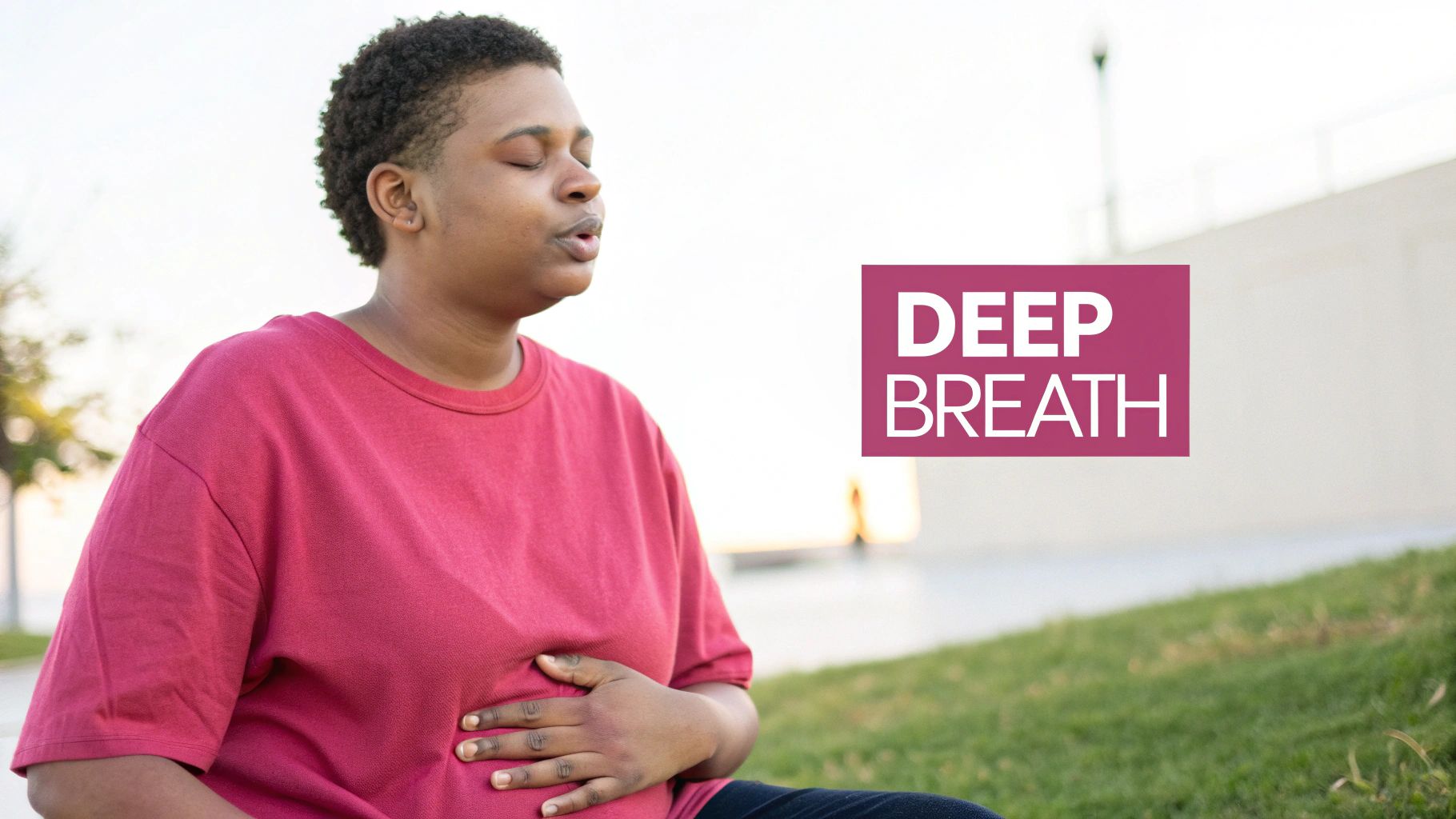
- Focus on Your Diaphragm: Place one hand on your belly. As you inhale, focus on making your belly expand rather than just your chest. This ensures you're taking a truly deep, calming breath.
4. Yoga
Yoga offers a powerful, holistic method for finding calm by uniting physical movement, controlled breathing, and mindful awareness. This ancient practice works to release physical tension stored in the body while simultaneously quietening mental chatter, making it an excellent alternative to alcohol for stress relief. By focusing on breath synchronized with movement, yoga activates the parasympathetic nervous system, effectively lowering stress hormones like cortisol and promoting a deep sense of well-being.
Its proven benefits have led to widespread adoption in diverse settings, from corporate wellness programs at tech companies to therapeutic yoga classes for patients in hospitals. This adaptability makes yoga one of the most accessible and effective ways to relax without alcohol, offering a path to both physical and emotional balance.
How to Get Started
- Find Your Style: Explore beginner-friendly classes like Hatha or Restorative yoga to learn foundational poses. Popular online resources like "Yoga with Adriene" on YouTube offer a great starting point.
- Use Props: Don't be afraid to use blocks, straps, or bolsters. These tools help make poses more accessible and comfortable, allowing you to focus on relaxation rather than strain.
- Focus on Breath: Pay close attention to synchronizing your inhales and exhales with each movement. This is the key to unlocking yoga's meditative and stress-reducing benefits.
- Practice Consistently: Aim for two to three sessions per week to build strength, flexibility, and a reliable relaxation habit that you can turn to instead of a drink.
5. Nature Exposure and Outdoor Activities
Stepping into nature offers a powerful, physiological alternative for anyone seeking ways to relax without alcohol. The practice of spending time in natural environments, known as ecotherapy or "forest bathing" (shinrin-yoku), is scientifically proven to lower stress hormones like cortisol, reduce blood pressure, and improve mood. It works by engaging our senses in a calming, non-demanding way, allowing the prefrontal cortex-the brain's command center-to rest and recover from mental fatigue.
This concept is so effective that it's integrated into healing programs in hospitals and corporate wellness initiatives worldwide. Research led by figures like Dr. Qing Li has demonstrated that even short periods of nature exposure can significantly boost immune function and decrease feelings of anxiety and depression, making it a reliable tool for restoration.
How to Get Started
- Start with a "Nature Pill": Aim for at least 20 minutes of dedicated time outdoors, three times a week. This is the duration shown to produce a measurable drop in cortisol.
- Practice Mindful Observation: Instead of just walking through a park, actively engage your senses. Notice the texture of tree bark, listen to different bird calls, and smell the damp earth. This deepens the restorative effect.
- Bring Nature Indoors: If you can't get outside, caring for a few houseplants or even looking at pictures of nature scenes has been shown to have a calming effect.
- Use an App: Use a tool like AllTrails to discover new local parks and hiking paths, turning your relaxation practice into a gentle adventure.
6. Journaling and Creative Writing
Instead of uncorking a bottle to process a difficult day, journaling offers a private, powerful way to relax without alcohol by externalizing thoughts and emotions. This practice involves writing down your feelings and experiences to gain clarity, reduce stress, and untangle complex problems. It works by creating a safe distance between you and your thoughts, allowing you to observe them with a calmer, more objective perspective, which in turn reduces mental clutter and anxiety.
This method is more than just diary-keeping; it’s a therapeutic tool backed by research. Studies led by Dr. James Pennebaker on expressive writing have shown that consistently writing about emotional upheavals can improve physical and psychological health. By translating feelings into words, you engage analytical parts of your brain, helping to organize the emotional chaos and find meaning.
How to Get Started
- Write Freely: Don't worry about grammar, spelling, or structure. The goal is to express yourself authentically without self-censorship. Set a timer for 15-20 minutes and just write.
- Try Gratitude Journaling: Each day, write down three specific things you are grateful for. This simple act shifts your focus toward the positive, building a more resilient and optimistic mindset over time.
- Use Prompts When Stuck: If you don't know where to begin, use a prompt like, "Today, my mind feels heavy because..." or "A small moment that brought me joy was..." to get the words flowing.
7. Aromatherapy and Essential Oils
Instead of pouring a glass of wine, aromatherapy provides a powerful sensory path to unwind without alcohol. This practice uses plant-derived essential oils to engage your sense of smell, which is directly linked to the brain's limbic system, the center for memory and emotion. Inhaling scents like lavender or chamomile can almost instantly trigger a calming response, helping to reduce anxiety and promote tranquility.
The science behind this is compelling; studies have shown that certain essential oils can influence brainwave activity and neurotransmitter levels associated with stress and relaxation. This is why spas, wellness centers, and even some clinical settings use diffusers to create a serene atmosphere. It’s an accessible, natural method to shift your mood and de-stress your nervous system.
How to Get Started
- Choose Your Scent: Start with well-known calming oils like lavender for sleep, chamomile for general relaxation, or bergamot to ease anxiety.
- Use a Diffuser: An ultrasonic diffuser is an excellent way to disperse the oils into your environment. Add a few drops to water and run it for 15-30 minutes as you wind down for the evening.
- Apply Topically (With Caution): Dilute 2-3 drops of essential oil with a carrier oil like jojoba or coconut oil and apply it to your wrists or temples for on-the-go stress relief. Always do a patch test first.
- Enhance a Ritual: Add a few drops of a relaxing oil to a warm bath or a shower steamer to combine its benefits with another soothing activity.
8. Guided Imagery and Progressive Relaxation Through Visualization
Guided imagery offers a powerful way to relax without alcohol by using your imagination to transport you to a place of peace and safety. This technique involves creating vivid, multi-sensory mental scenes, such as a tranquil beach or a quiet forest, which triggers the body’s relaxation response. The brain doesn't always distinguish between a vividly imagined experience and a real one, so visualizing calm can lower your heart rate, blood pressure, and stress hormones just as effectively as actually being there.
This mind-body technique is so effective that it’s used in demanding environments like pre-operative preparation programs in hospitals and by sports psychologists to enhance athletic performance under pressure. Its strength lies in its ability to directly engage the senses and nervous system, creating a deep sense of well-being from the inside out.
How to Get Started
- Engage All Senses: When visualizing your calming scene, don't just see it. Hear the gentle waves, smell the salty air, feel the warm sun on your skin, and taste the cool breeze. The more senses you involve, the more immersive the experience.
- Use Guided Tracks: Start with professionally recorded guided imagery sessions from apps like Insight Timer or Abide. A narrator can provide the structure needed to keep your mind focused and guide you through the process.
- Create a 'Safe Place': Develop a personal mental sanctuary you can return to anytime you feel stressed. Practice visualizing this specific place regularly so you can access it quickly when you need to decompress.
9. Music Therapy and Listening to Relaxing Music
Instead of relying on alcohol to unwind, music offers a powerful and direct way to relax by influencing your brain and nervous system. Listening to calming music is proven to slow heart rate, lower blood pressure, and decrease cortisol levels. The predictable rhythms and harmonious frequencies in genres like classical, ambient, or lo-fi can activate the parasympathetic nervous system, inducing a state of calm and shifting your mood without any side effects.
This principle is applied clinically in music therapy programs to manage pain, anxiety, and even symptoms of dementia. Its effectiveness stems from music’s ability to engage the brain's reward centers, much like other pleasurable activities, providing a healthy and accessible alternative for emotional regulation. It’s a simple yet profound way to relax without alcohol.
How to Get Started
- Create Curated Playlists: Build different playlists for various needs. Try instrumental artists like Ólafur Arnalds or Ludovico Einaudi for deep relaxation, and lo-fi hip-hop for focused work.
- Immerse Yourself: Use noise-canceling headphones to block out distractions and fully immerse yourself in the sound. This enhances the music's calming effects, especially in noisy environments.
- Pair Music with Other Activities: Combine listening with another relaxing activity, such as gentle stretching, taking a warm bath, or journaling, to create a multi-sensory relaxation ritual.
10. Massage Therapy and Self-Massage
Physical touch is a powerful tool for relaxation, and massage therapy offers a direct, hands-on method to release stored tension without alcohol. This practice involves the manipulation of soft tissues like muscles and fascia to improve circulation, reduce muscle soreness, and trigger the body’s parasympathetic nervous system. The targeted pressure signals to your brain that it's safe to unwind, lowering cortisol and increasing levels of serotonin and dopamine.
This isn’t just about spa-day indulgence; it's a therapeutic practice used in athletic recovery programs, palliative care, and corporate wellness initiatives to manage stress and promote physical well-being. By physically unknotting areas of tension, massage provides an immediate and tangible sense of relief, making it a highly effective way to relax without alcohol when you feel stress settling into your body.
How to Get Started
- Try Professional and Self-Massage: Schedule a professional massage to learn proper techniques and address deep-seated tension. For daily maintenance, use tools like foam rollers or massage balls at home.
- Focus on Key Tension Areas: Concentrate on common stress-holding spots like the neck, shoulders, and lower back. Use gentle but firm pressure with massage oils to reduce friction.
- Explore Acupressure: For targeted tension release, particularly from stress-induced discomfort, exploring specific self-massage techniques can be highly effective. For example, you can learn about self-massage techniques for headache relief to manage symptoms at their source.
10 Alcohol-Free Relaxation Methods Comparison
| Technique | 🔄 Implementation complexity | ⚡ Resource & speed | 📊 Expected outcomes (⭐) | Ideal use cases | 💡 Key advantages / Tips |
|---|---|---|---|---|---|
| Meditation and Mindfulness (including Body Scan) | Moderate — requires learning, consistency | Minimal equipment; sessions 5–60+ min; benefits build over weeks | ⭐⭐⭐⭐⭐ — sustained stress reduction, improved emotional regulation and attention | Long-term resilience, sleep improvement, clinical & workplace programs | Evidence-based, adaptable; start 5–10 min daily and use guided apps |
| Progressive Muscle Relaxation (PMR) | Low — learn sequence then repeat | No equipment; 15–30 min for full-body; fast physical relaxation | ⭐⭐⭐⭐ — immediate tension release; effective for insomnia and muscle tightness | Insomnia, acute muscle tension, pre-sleep routines, rehab | Tense 5s/release 15s; work toes→head or reverse; avoid if contraindicated (e.g., hypertension) |
| Deep Breathing Exercises | Very low — easy to learn | No equipment; effects within 1–2 minutes; usable anywhere | ⭐⭐⭐⭐ — rapid calming, lowers HR and BP temporarily | Acute stress moments, before procedures, performance prep | Use box or 4-7-8; practice diaphragmatic breathing; avoid over-breathing |
| Yoga | Moderate–High — technique and alignment matter | Mat/space; classes 20–90 min; physical gains over weeks | ⭐⭐⭐⭐ — improves fitness, reduces stress, enhances flexibility and sleep | Holistic mind-body practice, chronic pain, workplace wellness | Start gentle classes, sync breath with movement, use props for accessibility |
| Nature Exposure and Outdoor Activities | Low — easy to adopt when accessible | Low cost; 20–30 min yields measurable effects; weather-dependent | ⭐⭐⭐⭐ — lowers cortisol, improves mood, cognition, and creativity | Short restorative breaks, creativity boosts, regular physical activity | Aim for ≥20 min, practice mindful observation, combine with digital detox |
| Journaling and Creative Writing | Low — simple practice but needs habit | Pen/paper or device; 5–30 min; cumulative benefits | ⭐⭐⭐ — clarifies emotions, aids processing and reflection | Emotional processing, therapy adjunct, gratitude practice | Set timer 15–20 min, use prompts, keep private to avoid self-censoring |
| Aromatherapy and Essential Oils | Very low — easy to use but safety-aware | Diffuser or oils; effects in minutes; cost varies | ⭐⭐⭐ — fast mood effects; evidence limited vs. other methods | Short-term relaxation, sleep support, spa/wellness settings | Use quality oils, dilute topically, limit inhalation time and test for allergies |
| Guided Imagery & Visualization | Low–Moderate — guided recordings help beginners | Audio or facilitator; 10–30 min; effective fairly quickly | ⭐⭐⭐⭐ — reduces anxiety and pain; useful therapeutically | Pre-op, pain management, sports visualization, sleep | Engage all senses, combine with breathing, use professional recordings initially |
| Music Therapy & Relaxing Music | Low — accessible; professional therapy requires trained clinician | Streaming/headphones or live; effects within minutes | ⭐⭐⭐⭐ — immediate mood elevation, lowers stress hormones | Acute mood regulation, dementia care, group interventions | Prefer instrumental/ambient for relaxation; personalize playlists and volume |
| Massage Therapy & Self-Massage | Moderate — professional skill needed; self-massage simpler | Professional sessions 30–90 min (costly); self-tools inexpensive | ⭐⭐⭐⭐ — immediate reduction in tension and pain; improves circulation | Chronic muscle tension, recovery, palliative comfort, relaxation | Use foam rollers/balls for self-massage; seek qualified therapists and note contraindications |
Crafting Your Calm: Integrating New Rituals for Lasting Peace
The journey toward genuine relaxation is not about finding a single magic bullet, but rather about building a personalized toolkit of strategies that nourish your mind, body, and spirit. As we've explored, the landscape of ways to relax without alcohol is vast and varied, offering a rich tapestry of options that cater to every lifestyle and preference. From the immediate grounding effect of a deep breathing exercise to the long-term clarity fostered by a consistent journaling practice, each technique provides a unique pathway to peace.
The true power lies not in mastering every method, but in thoughtfully experimenting to discover what resonates most deeply with you. This process is one of intentional self-discovery. You are moving away from a single, often reflexive, coping mechanism and toward a more mindful and resilient approach to managing stress.
Weaving New Habits into Your Life
The key to lasting change is integration, not just implementation. Think of these techniques as ingredients for your own unique recipe for calm. Perhaps you can combine a few for a more potent effect.
- Morning Reset: Start your day with five minutes of guided meditation followed by a few simple yoga stretches, setting a tone of intentional calm before the day's demands begin.
- Midday Decompression: Combat afternoon stress by taking a short walk outside while practicing deep, diaphragmatic breathing. The combination of movement, fresh air, and mindful breathwork can completely shift your mental state.
- Evening Wind-Down Ritual: Create a sanctuary-like atmosphere in the evening. Dim the lights, diffuse lavender essential oils, and listen to calming music as you perform a progressive muscle relaxation sequence. This multi-sensory approach signals to your brain that it's time to unwind.
Beyond a Quick Fix: The Skill of Self-Regulation
By actively choosing these alternatives, you are doing more than just finding a substitute for an alcoholic drink. You are fundamentally rewiring your response to stress. You are teaching your nervous system that it can return to a state of equilibrium without external substances. This is the skill of self-regulation, and it's a cornerstone of emotional and mental well-being.
Embracing these diverse ways to relax without alcohol is an act of empowerment. It's about reclaiming your evenings, sharpening your clarity, and building a life where peace is not a fleeting state but a cultivated, sustainable reality. Your well-being deserves this investment, and the authentic calm you'll discover is a reward that deepens with time.
Ready to elevate your evening ritual with a sophisticated, mindful alternative? Discover Day Dreamer’s premium hemp-derived Delta-9 THC and CBD sparkling waters, crafted for a clean, elegant buzz without the drawbacks of alcohol. Explore our nuanced flavors and find your perfect state of calm at Day Dreamer.


