
The decision to reduce or eliminate alcohol is a powerful step towards reclaiming your health, focus, and overall well-being. While social norms often place drinking at the center of celebration and relaxation, a growing movement of people is discovering the profound and lasting rewards of an alcohol-free lifestyle. For anyone curious about the tangible benefits of quitting alcohol, the positive changes extend far beyond simply avoiding hangovers. It represents a comprehensive upgrade to your physical health, mental acuity, financial stability, and personal relationships.
This guide moves past generic advice to provide a clear, evidence-backed roadmap of what you can expect. We will explore 10 specific, transformative benefits that come with an alcohol-free life. From revitalized liver health and deeper, more restorative sleep to enhanced mental clarity and significantly reduced anxiety, the advantages are both immediate and cumulative.
Throughout this listicle, you will discover not only what improves but when you can expect to notice these changes. We'll provide realistic timelines, from the first 24 hours to the one-year mark, and offer practical, actionable tips to help you maximize each gain. Whether you are sober-curious, taking a temporary break like Dry January, or fully committed to a long-term change, understanding these powerful outcomes can provide the motivation to start and sustain a new, vibrant chapter. Let's delve into the remarkable improvements waiting for you.
1. Improved Liver Health and Function
One of the most significant and rapidly occurring benefits of quitting alcohol is the remarkable recovery of your liver. As the primary organ responsible for metabolizing alcohol, the liver takes a direct hit from consistent consumption. This process can lead to inflammation, fat accumulation (steatosis or fatty liver disease), and eventually, more severe conditions like alcoholic hepatitis, fibrosis, and cirrhosis. When you stop drinking, you remove this primary source of strain, giving your liver a crucial opportunity to repair and regenerate.
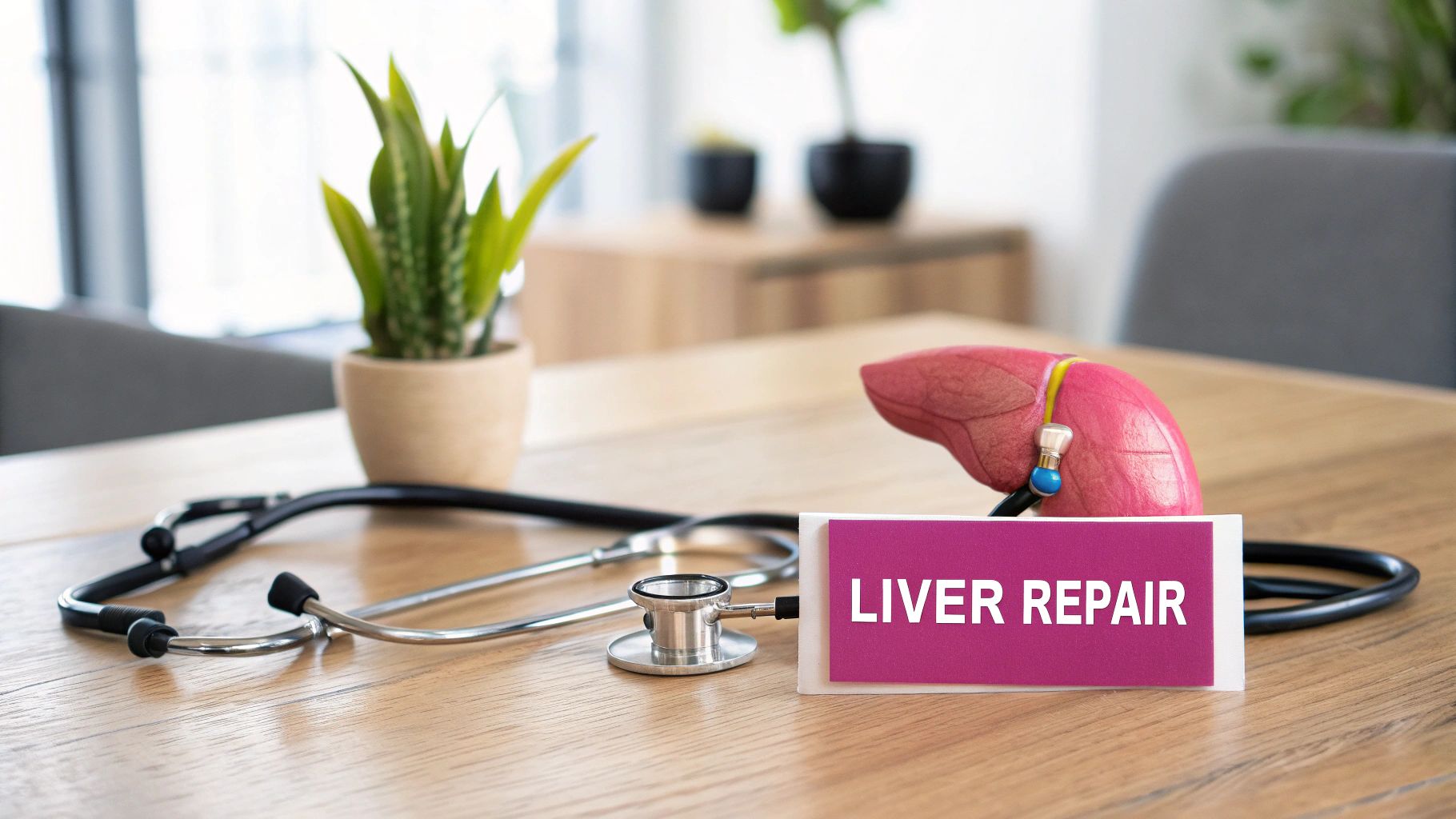
The liver has an incredible capacity for self-healing. Within just a few weeks of abstinence, liver inflammation begins to subside, and excess fat deposits start to diminish. Studies have shown that alcoholic fatty liver disease, one of the earliest stages of alcohol-related liver damage, can be completely reversed in many individuals after several weeks to months without alcohol. This recovery improves the liver's ability to perform its other 500+ vital functions, such as storing glycogen for energy, producing bile for digestion, and filtering toxins from the blood.
How to Track and Maximize Liver Repair
To fully appreciate the positive changes, it helps to be proactive. Monitoring your progress and supporting your body's natural healing processes can make the journey even more rewarding.
- Get a Baseline: Before you quit, consider getting a liver function test (LFT) from your doctor. This blood test measures levels of key liver enzymes and proteins, providing a clear snapshot of your liver's health.
- Monitor Your Progress: Schedule follow-up LFTs at 4, 8, and 12-week intervals. Witnessing the measurable improvement in your enzyme levels can be a powerful motivator. A significant and often immediate benefit of quitting alcohol is the improvement in liver health and function. To better track this progress, it can be helpful to learn more about understanding liver function test results and what those numbers mean for your long-term wellness.
- Support with Nutrition: Aid your liver's recovery by incorporating antioxidant-rich foods into your diet. Berries, leafy greens like spinach and kale, cruciferous vegetables (broccoli, cauliflower), and healthy fats from nuts and avocados can help combat oxidative stress.
- Stay Hydrated: Drinking plenty of water is essential for helping your liver and kidneys flush out toxins efficiently.
2. Better Quality Sleep and Rest
One of the most profound benefits of quitting alcohol is a dramatic improvement in your sleep quality. While many people use alcohol as a sedative to fall asleep faster, it significantly disrupts your natural sleep architecture later in the night. Alcohol suppresses REM sleep, the crucial stage for memory consolidation, learning, and emotional regulation. By removing alcohol, you allow your body to restore its natural sleep cycles, leading to deeper, more restorative, and ultimately more energizing rest.

This restoration process happens relatively quickly. Within the first one to two weeks of abstinence, many people notice they wake up feeling more refreshed and less groggy. Research backs this up, with studies showing significant improvements in sleep efficiency and REM sleep duration after individuals stop drinking. For example, some sleep study participants demonstrated a marked enhancement in overall sleep quality after just four weeks without alcohol. This change translates into better cognitive function, improved mood, and enhanced physical recovery day-to-day.
How to Track and Maximize Sleep Restoration
Supporting your body's return to a natural sleep rhythm can accelerate the benefits and make the initial adjustment period smoother. It's common to experience some sleep disturbances in the first week, but these strategies can help.
- Establish a Strict Sleep Schedule: Go to bed and wake up at the same time every day, even on weekends. This consistency reinforces your body's internal clock, or circadian rhythm.
- Optimize Your Sleep Environment: Create a sanctuary for rest. Your bedroom should be dark, quiet, and cool, with an ideal temperature between 60-67°F (15-19°C).
- Create a Wind-Down Routine: Avoid caffeine and heavy meals for at least 3-4 hours before bed. Instead, practice calming activities like reading a book, gentle stretching, meditation, or taking a warm bath to signal to your brain that it's time to sleep.
- Be Patient with Your Body: Expect an adjustment period of one to two weeks. Your brain is recalibrating its sleep patterns without the influence of alcohol, and consistent, healthy habits will stabilize your improvements.
3. Enhanced Mental Clarity and Cognitive Function
One of the most rewarding benefits of quitting alcohol is the return of sharp, clear thinking. Alcohol directly impairs brain function by disrupting neurotransmitters, reducing blood flow to the brain, and shrinking brain volume over time. This leads to the familiar "brain fog," memory lapses, and slower cognitive processing. When you stop drinking, you halt this neurotoxic process, allowing your brain to begin healing and restoring its natural cognitive abilities.

The brain's recovery can be surprisingly swift. Abstinence helps restore the balance of neurotransmitters like GABA and glutamate, which are crucial for focus and mood regulation. Research shows that within just a few weeks to months, significant improvements can be seen in executive functions, which include planning, problem-solving, and decision-making. As blood flow improves and inflammation subsides, you'll likely notice enhanced memory recall, a longer attention span, and quicker mental processing, making daily tasks and complex challenges feel much more manageable.
How to Track and Maximize Cognitive Gains
Actively supporting your brain's recovery can accelerate the return of mental clarity and build stronger cognitive resilience for the future.
- Establish a Baseline: Before you quit, take note of your daily cognitive state. Do you struggle with brain fog in the mornings? Do you forget appointments or misplace items often? Journaling about these experiences provides a clear starting point.
- Track Your Progress: Keep a daily or weekly log of your mental state. Note improvements in focus during work, your ability to remember details from conversations, or how easily you solve a puzzle. Many find that after quitting, they need new strategies to improve mental clarity and focus to take their newfound cognitive abilities even further.
- Engage Your Brain: Actively challenge your mind with activities like reading, learning a new language, or playing strategy games. These activities help create and strengthen new neural pathways.
- Prioritize Brain-Healthy Habits: Support neurological repair with consistent, high-quality sleep, a nutrient-dense diet rich in omega-3s and antioxidants, and regular physical exercise, which boosts the production of Brain-Derived Neurotrophic Factor (BDNF), a key protein for neuron growth.
4. Reduced Anxiety and Improved Stress Management
Many people reach for a drink to unwind, but this common coping mechanism often backfires, creating a cycle of anxiety. Alcohol is a central nervous system depressant that disrupts the delicate balance of neurotransmitters in the brain, including gamma-aminobutyric acid (GABA) and glutamate. While it can initially induce feelings of calm by enhancing GABA's inhibitory effects, the brain adapts by reducing its natural GABA production and increasing glutamate activity to compensate. This neurochemical rebound after the alcohol wears off is a primary driver of "hangxiety," leading to heightened baseline anxiety and making you less resilient to everyday stressors.

When you quit drinking, you give your brain the chance to recalibrate and restore its natural equilibrium. Without alcohol's interference, your nervous system can return to a more stable state, significantly reducing feelings of chronic, low-grade anxiety. Research supports this, with studies showing that a significant percentage of individuals report a marked decrease in anxiety symptoms within just one month of cessation. This improvement is not just a feeling; it's a physiological reset that enhances your innate ability to manage stress without relying on a substance.
How to Track and Maximize Anxiety Reduction
Actively developing new coping strategies is key to breaking the alcohol-anxiety cycle and building lasting mental resilience.
- Journal Your Moods: Start a simple daily journal to track your anxiety levels. Use a 1-10 scale and note specific triggers or situations. This creates a tangible record of your progress as your baseline anxiety decreases over the first few weeks and months.
- Embrace Mind-Body Practices: Replace the habit of drinking with healthier stress-relief techniques. Dedicate 10-15 minutes daily to activities like guided meditation, deep breathing exercises (like the 4-7-8 method), or progressive muscle relaxation to calm your nervous system.
- Incorporate Daily Movement: Physical activity is a powerful, natural anxiolytic. Aim for at least 30 minutes of moderate exercise, such as a brisk walk, jog, or yoga session, most days of the week. Exercise boosts mood-lifting endorphins and helps process stress hormones like cortisol.
- Seek Professional Support: If anxiety was a primary reason for your drinking, consider therapy. Cognitive Behavioral Therapy (CBT) is particularly effective for teaching new thought patterns and behaviors to manage anxiety without alcohol. Support groups can also provide invaluable community and shared coping strategies.
5. Enhanced Mood and Reduced Depression
One of the most profound benefits of quitting alcohol is the stabilization and improvement of your mental health. While many people use alcohol to self-medicate feelings of sadness or anxiety, it is a central nervous system depressant that disrupts the brain's delicate chemical balance. Alcohol interferes with neurotransmitters like serotonin and dopamine, which are crucial for mood regulation. This disruption often creates a vicious cycle where drinking worsens underlying depression, leading to more drinking. Removing alcohol allows these neurochemical pathways to rebalance, paving the way for improved emotional stability and a more positive outlook.
The connection between alcohol and depression is well-documented. Mental health organizations often report that depression is linked to as many as 40% of alcohol use disorders. However, the brain’s ability to heal is remarkable once alcohol is removed from the equation. Within a few weeks to months of sobriety, many people report a significant reduction in depressive symptoms, less anxiety, and an overall lighter mood. Studies have shown that a majority of individuals with co-occurring depression see substantial improvement after achieving sustained sobriety, highlighting how quitting is a powerful step toward reclaiming your mental well-being.
How to Track and Maximize Mood Enhancement
Supporting your brain's recovery is key to experiencing the full mental health benefits of an alcohol-free life. Proactive steps can accelerate healing and build emotional resilience.
- Seek Professional Support: If you've been self-medicating, it's crucial to connect with a therapist or psychiatrist. They can provide a proper diagnosis and treatment plan, which is a cornerstone of sustainable mental health improvement.
- Embrace Physical Activity: Regular exercise is a proven mood booster. Activities like walking, jogging, or yoga release endorphins, often called "feel-good" chemicals, which naturally elevate your mood and reduce stress.
- Practice Mindfulness and Gratitude: Simple practices like daily gratitude journaling or mindfulness meditation can retrain your brain to focus on the positive. This helps counteract the negative thought patterns often associated with depression.
- Build a Strong Support System: Connect with friends, family, or support groups who understand your journey. Shared experiences and encouragement can be incredibly powerful in maintaining motivation and a positive mindset.
6. Strengthened Relationships and Social Connections
While alcohol is often seen as a social lubricant, its long-term effects can strain and damage the very connections it's meant to enhance. Consistent drinking can lead to misunderstandings, broken promises, and emotional distance. Quitting alcohol removes this barrier, paving the way for more authentic, present, and stable relationships with family, partners, and friends. By being fully present and reliable, you begin to rebuild the foundation of trust that alcohol may have eroded.
The shift from substance-fueled interactions to genuine engagement allows for deeper emotional intimacy and clearer communication. Research and anecdotal evidence from support communities consistently highlight relationship restoration as a core benefit of sobriety. For instance, studies have shown that couples who address problematic drinking see significant improvements in marital satisfaction, and support group participants often report vast enhancements in family dynamics within months of quitting. This positive change stems from replacing erratic behavior with consistency and dependability, which are cornerstones of any healthy relationship.
How to Nurture and Rebuild Your Connections
Actively working on your relationships while sober can accelerate healing and deepen your bonds. This process involves intentional effort and open communication to mend past issues and build a stronger future.
- Communicate Your Journey: Be open and honest with your loved ones about your decision to quit drinking. Explaining your goals and what you need from them can foster understanding and support.
- Practice Active Listening: In conversations, focus entirely on what the other person is saying without planning your response. This shows you value their perspective and are genuinely present in the moment.
- Plan Sober Activities: Suggest and organize activities that don't revolve around alcohol. Think about hiking, visiting a museum, trying a new restaurant, or playing a board game to create new, positive memories together.
- Show Up Consistently: One of the most powerful ways to rebuild trust is through consistent, reliable actions. Be on time, follow through on your promises, and be a dependable presence in the lives of those you care about.
7. Increased Productivity and Career Advancement
Beyond the physical health gains, one of the most empowering benefits of quitting alcohol is the significant boost to your professional life. Regular alcohol consumption can subtly yet persistently sabotage your career by causing missed work days, poor decision-making, and reduced cognitive function. Removing alcohol from the equation restores mental clarity, sharpens focus, and increases overall energy, transforming you into a more reliable and effective employee or business owner. This newfound consistency directly fuels better job performance and opens doors for career advancement.
This transformation is well-documented. Corporate wellness programs often report marked improvements in performance metrics among employees who abstain from alcohol. Furthermore, numerous studies and anecdotal reports show a significant increase in workplace productivity after quitting. Many successful entrepreneurs and leaders credit their professional focus and drive to lifestyle changes that included stopping drinking, allowing them to channel their full potential into achieving their goals. You become more present, proactive, and capable of tackling complex challenges.
How to Track and Maximize Professional Growth
Leveraging your sobriety to advance your career requires a deliberate approach. By setting clear intentions and using your new capabilities, you can make significant professional strides.
- Set Clear Career Goals: Use your enhanced mental clarity to define specific, measurable career objectives. Whether it's a promotion, a new certification, or starting a business, having a clear target will focus your efforts.
- Document Your Wins: Keep a record of your improved performance metrics, successful projects, and positive feedback. This documentation provides concrete evidence to support your case during performance reviews and promotion discussions.
- Invest in Skill Development: Reallocate the time and money once spent on drinking toward professional development. Enroll in courses, attend workshops, or pursue a new skill that makes you more valuable in your field.
- Network Strategically: Build professional relationships with a clear mind. Attend industry events and connect with mentors who can guide your career path, focusing on building genuine connections based on shared professional interests and values.
8. Significant Financial Savings and Improved Money Management
The impact of regular alcohol consumption on your finances often extends far beyond the price of drinks. The true cost includes not just the direct spending on alcohol itself, but also related expenses like pricey bar tabs, late-night food delivery, expensive Ubers, and even potential long-term costs like medical bills or legal fees. Quitting alcohol immediately plugs this financial drain, freeing up a surprising amount of capital for more productive and meaningful uses. This shift is a core benefit of quitting alcohol, allowing you to regain control over your financial health.
The numbers can be staggering. A moderate drinker might easily spend $200-$500 per month, totaling $2,400 to $6,000 annually. This is money that could be used to build an emergency fund, pay down debt, or invest for the future. Beyond direct spending, the indirect costs can be even more severe. A single DUI, for example, can cost between $10,000 and $25,000 when factoring in fines, legal representation, and soaring insurance premiums. By eliminating alcohol, you protect yourself from these catastrophic financial setbacks and create a solid foundation for long-term security.
How to Track and Maximize Financial Gains
Redirecting the money you once spent on drinking requires a conscious and strategic approach. By actively managing these newfound funds, you can transform a simple saving into a powerful wealth-building tool.
- Calculate Your Spending: Start by honestly tracking your alcohol-related expenses for a typical month. Include everything: drinks at home, bar tabs, transportation, and related food costs. This total becomes your monthly savings target.
- Automate Your Savings: Set up an automatic transfer from your checking account to a high-yield savings or investment account. Schedule this transfer for your payday, moving the money before you're tempted to spend it elsewhere.
- Create a "Freedom Fund": Reframe your savings as something positive. Instead of just "not spending on alcohol," you are actively contributing to a goal, whether it's a down payment, a vacation, or early retirement.
- Build an Emergency Buffer: Make your first priority building an emergency fund that covers 3-6 months of essential living expenses. This financial safety net provides immense peace of mind and is a cornerstone of financial stability.
9. Improved Physical Health and Reduced Disease Risk
While many benefits of quitting alcohol are felt quickly, one of the most profound is the long-term reduction in your risk for numerous chronic diseases. Alcohol consumption is a known contributor to over 200 diseases and health conditions, acting as a systemic stressor that promotes inflammation and damages organ systems. When you stop drinking, you effectively remove a major risk factor, allowing your body to heal and significantly lowering your odds of developing serious health problems.
This risk reduction spans across your entire body. Your cardiovascular system benefits as blood pressure normalizes and the risk of heart disease and stroke decreases. Your immune system strengthens, making you less susceptible to infections. According to the World Health Organization (WHO), alcohol use is a causal factor in seven types of cancer, including mouth, throat, liver, and breast cancer. Ceasing alcohol consumption is a critical step in cancer prevention, with risk levels continuing to fall the longer you remain abstinent.
How to Track and Maximize Your Health Gains
Actively supporting your body's recovery can amplify these long-term health benefits. Establishing a baseline and adopting healthy habits are key to maximizing your progress.
- Get a Comprehensive Screening: Before you quit, or shortly after, schedule a full physical with your doctor. This should include blood pressure checks, cholesterol panels, and blood sugar tests to establish a clear baseline of your overall health.
- Monitor Key Metrics: Re-check these metrics at 3, 6, and 12-month intervals. Seeing your blood pressure drop or your cholesterol levels improve provides concrete evidence of your body's positive response.
- Adopt a Heart-Healthy Diet: Support your cardiovascular system by following a diet rich in fruits, vegetables, lean proteins, and whole grains, like the Mediterranean diet.
- Embrace Regular Exercise: Aim for at least 150 minutes of moderate-intensity cardio, like brisk walking or cycling, per week. Regular physical activity is a powerful tool for reducing the risk of nearly all major chronic diseases.
- Manage Stress Effectively: Chronic stress contributes to inflammation and high blood pressure. Incorporate stress-reduction techniques like meditation, deep breathing exercises, or yoga into your routine to support your physical and mental well-being.
10. Greater Self-Respect, Confidence, and Personal Empowerment
One of the most profound and transformative benefits of quitting alcohol is the significant boost to your self-worth and sense of personal agency. Choosing to stop drinking is a powerful act of self-care and discipline. By honoring a commitment you've made to yourself, overcoming cravings, and navigating social situations sober, you build a solid foundation of self-respect. This consistent effort proves your own strength and resilience, which naturally translates into greater confidence that radiates into every area of your life.
This isn't just a feeling; it's a well-documented outcome. Psychological research consistently shows a strong link between sobriety and improved self-efficacy, which is your belief in your ability to succeed. Many individuals in recovery, including well-known figures like Bradley Cooper and Robert Downey Jr., attribute their renewed sense of purpose and career success to the self-respect they reclaimed by quitting alcohol. This process creates a positive feedback loop: as your confidence grows, you become more capable of handling life's challenges, further reinforcing your sense of empowerment.
How to Cultivate and Maximize Your Empowerment
Building self-respect is an active process. By intentionally focusing on your achievements and personal growth, you can accelerate this powerful benefit of quitting alcohol.
- Celebrate Every Milestone: Acknowledge and celebrate your sobriety milestones, whether it's 24 hours, one week, 30 days, or a year. These are tangible proofs of your commitment and strength.
- Journal Your Journey: Document your progress in a journal. Writing down your challenges, victories, and moments of clarity helps you recognize how far you've come, providing a powerful source of motivation.
- Set and Achieve New Goals: Use your newfound clarity and energy to set small, achievable goals outside of sobriety, like learning a new skill, completing a fitness challenge, or finishing a creative project. Success in these areas will compound your confidence.
- Practice Positive Affirmations: Actively work to reframe your inner dialogue. Start your day with affirmations like "I am strong and capable of handling today sober" or "I respect myself for the healthy choices I am making."
Top 10 Benefits Comparison: Quitting Alcohol
| Benefit | 🔄 Implementation Complexity | ⚡ Resource Requirements | 📊 Expected Outcomes | 💡 Ideal Use Cases | ⭐ Key Advantages |
|---|---|---|---|---|---|
| Improved Liver Health and Function | Medium — sustained abstinence; medical monitoring for advanced disease | Moderate — liver tests, nutrition support, possible medical treatment | Enzyme normalization 4–6 wks; fatty liver reversal 4–12 wks; lower long-term cirrhosis/cancer risk | Heavy drinkers, fatty liver patients, metabolic syndrome | Liver regeneration, improved metabolism, reduced hepatic disease risk |
| Better Quality Sleep and Rest | Low — stop alcohol + sleep hygiene; possible short withdrawal insomnia | Low — consistent routine, sleep environment adjustments, short-term support if needed | REM restoration 1–2 wks; full architecture 4–8 wks; improved daytime alertness | People using alcohol as sleep aid, shift workers, poor sleepers | Deeper restorative sleep, better cognition and mood |
| Enhanced Mental Clarity and Cognitive Function | Medium — abstinence plus cognitive rehab; watch for withdrawal symptoms | Moderate — cognitive exercises, exercise, follow-up care | Initial clarity 3–7 days; noticeable ~30 days; continued gains to 3–12 months | Students, professionals, anyone with brain fog or cognitive decline | Improved focus, memory, decision-making, faster processing |
| Reduced Anxiety and Improved Stress Management | Medium — nervous system recalibration; may need therapy for withdrawal spike | Moderate–High — therapy/support groups, coping skills training | Initial relief 3–7 days; noticeable reduction 2–4 wks; baseline normalization 3–6 months | Those self-medicating anxiety with alcohol, chronic stress sufferers | Lower baseline anxiety, better stress resilience, fewer panic episodes |
| Enhanced Mood and Reduced Depression | Medium — may require psychiatric support; risk of unmasking underlying issues | Moderate–High — therapy, possible meds, social support | Initial mood shift 1–2 wks; noticeable 4–6 wks; sustained improvement 3–6 months | People with alcohol-linked depressive symptoms or mood instability | Improved emotional regulation, reduced depressive symptoms, greater pleasure in activities |
| Strengthened Relationships and Social Connections | Medium — behavioral change and trust rebuilding needed | Low–Moderate — communication, counseling or support groups | Positive behavior 2–4 wks; trust rebuilding 2–3 months; deep healing 6–12 months | Individuals with relationship damage from drinking | Repaired trust, authentic engagement, improved family/partner dynamics |
| Increased Productivity and Career Advancement | Low–Medium — lifestyle adjustments and consistency | Low–Moderate — time management, skill development, mentorship | Reliability gains 1–2 wks; productivity 4–8 wks; career advances 6–12 months | Professionals affected by absenteeism or poor performance | Better focus, attendance, work quality, improved promotion prospects |
| Significant Financial Savings and Improved Money Management | Low — immediate spending reduction; requires budgeting discipline | Low — budgeting tools, possible financial advising | Immediate savings day one; monthly $200–500+; annual $2,400–6,000+ | Those spending substantially on alcohol or with alcohol-related debts | Large recurring savings, fewer legal/medical costs, improved financial security |
| Improved Physical Health and Reduced Disease Risk | Medium — requires abstinence plus lifestyle changes (diet/exercise) | Moderate — health screenings, exercise programs, nutrition support | Reduced inflammation 4–6 wks; cardiovascular gains 3–6 months; long-term risk reduction over years | People at risk for heart disease, diabetes, obesity, cancer | Lower chronic disease risk, improved metabolic and immune health |
| Greater Self-Respect, Confidence, and Personal Empowerment | Medium — emotional work, accountability, possible therapy | Low–Moderate — peer support, journaling, mentorship, recovery groups | Initial commitment 1–2 wks; confidence boost 4–8 wks; ongoing deepening over months/years | Those seeking personal growth, identity recovery, or improved self-efficacy | Increased self-esteem, resilience, goal achievement, restored personal agency |
Crafting Your New Reality
The journey away from alcohol is far more than a simple act of abstention; it's a profound process of rediscovery and reconstruction. As we've explored, the benefits of quitting alcohol ripple through every facet of your existence, creating a cascade of positive changes that build on one another. This isn't just about what you're giving up, but about what you are actively gaining: clarity, health, connection, and a deeper sense of self.
From the very first week, your body begins its remarkable healing process. Your sleep deepens, moving beyond the restless, fragmented nights induced by alcohol into genuinely restorative cycles. This renewed energy and mental clarity become the foundation for everything else. Your liver, a resilient and vital organ, starts to repair itself, and your risk for numerous chronic diseases begins to fall. These are not abstract health concepts; they are tangible shifts you can feel day in and day out.
From Surviving to Thriving: A Synthesis of Gains
The physical improvements are just the beginning. The mental and emotional transformation is where a truly new reality begins to take shape. Quitting alcohol rewires your brain’s response to stress and reward, allowing you to build healthier, more sustainable coping mechanisms.
- Mental Fortitude: Enhanced cognitive function and reduced brain fog allow for sharper thinking, better decision-making, and increased productivity in your personal and professional life.
- Emotional Stability: Without the artificial highs and subsequent lows of alcohol, you can achieve a more stable mood, naturally reduce feelings of anxiety, and build authentic resilience against life's challenges.
- Genuine Connection: Your relationships transform. Interactions become more present, meaningful, and based on genuine connection rather than a shared activity. This fosters a stronger support system and deeper bonds.
Ultimately, each benefit we've discussed, from financial savings to improved physical appearance, culminates in the most powerful reward of all: greater self-respect and personal empowerment. You are proving to yourself, one day at a time, that you are in control of your choices and capable of building the life you desire.
"The greatest freedom is to be in control of yourself. By choosing to quit alcohol, you are not restricting your life; you are unlocking its fullest potential and reclaiming your power to define it on your own terms."
Your Actionable Path Forward
Embracing this new chapter requires intention and preparation. The initial stages can be challenging as your mind and body adjust. It is crucial to replace old habits with new, positive rituals that serve your well-being.
- Identify Your Triggers: Acknowledge the situations, emotions, or people that make you want to drink. Create a plan for how you will navigate these moments differently.
- Build Your Toolkit: Find healthy alternatives for stress relief and relaxation. This could be exercise, meditation, a creative hobby, or simply spending time in nature.
- Redefine Socializing: Social events don't have to revolve around alcohol. Suggest activities like hiking, attending a class, or exploring a new cafe. When you are in a setting where others are drinking, have your sophisticated, non-alcoholic option ready. This empowers you to feel included and confident in your choice.
Exploring the world of premium, non-alcoholic beverages can be a game-changer. Sophisticated options like expertly crafted sparkling waters infused with botanicals or cannabinoids offer the ritual and flavor complexity of a cocktail without the negative consequences. This allows you to honor the moment, celebrate, or unwind with an elegant beverage that aligns with your health goals.
The journey of quitting alcohol is a powerful testament to your strength and commitment to yourself. The cumulative benefits of quitting alcohol create a life that is not only healthier but also more vibrant, authentic, and fulfilling. You are stepping into the most empowered version of yourself, fully present and capable of crafting a reality you are truly proud of.
Ready to redefine your relaxation ritual with a sophisticated, alcohol-free alternative? Discover the clean, elegant experience of Day Dreamer's THC and CBD sparkling waters, designed for mindful moments and social enjoyment without compromise. Elevate your new chapter by visiting Day Dreamer to explore the collection.


