
The landscape of social connection and relaxation is changing. Many are seeking healthier, more mindful ways to de-stress, celebrate, and connect without the negative impacts of alcohol. This shift isn't about deprivation; it's about expansion. Whether you're sober-curious, moderating your intake, or fully committed to an alcohol-free life, finding fulfilling replacements is key to long-term success. This comprehensive guide moves beyond basic substitutions to explore a diverse roundup of healthy alternatives to drinking alcohol, offering practical, evidence-backed options that cater to your physical, mental, and social well-being.
We'll cover everything from sophisticated non-alcoholic beverages that replicate the ritual of a cocktail to powerful lifestyle shifts that provide a deeper sense of reward and connection. Forget generic advice; this list is designed to give you actionable strategies you can implement immediately. You will discover how to create complex mocktails, leverage THC and CBD beverages for a different kind of buzz, and integrate new social and behavioral habits that support your goals. Think of this not as a list of what to avoid, but as a toolkit for building a more vibrant, intentional, and hangover-free lifestyle. These strategies provide the same sense of ritual you're looking for, but with lasting positive benefits.
1. Sparkling Water with Natural Flavoring
For those seeking a simple yet satisfying swap, sparkling water with natural flavoring is a premier choice. This category has exploded in popularity, offering the crisp, bubbly sensation many crave from beer or a mixed drink, but without the alcohol, calories, or sugar. Brands like LaCroix and Spindrift have normalized these beverages as sophisticated, adult-friendly options for any social setting, making them a fantastic healthy alternative to drinking alcohol.
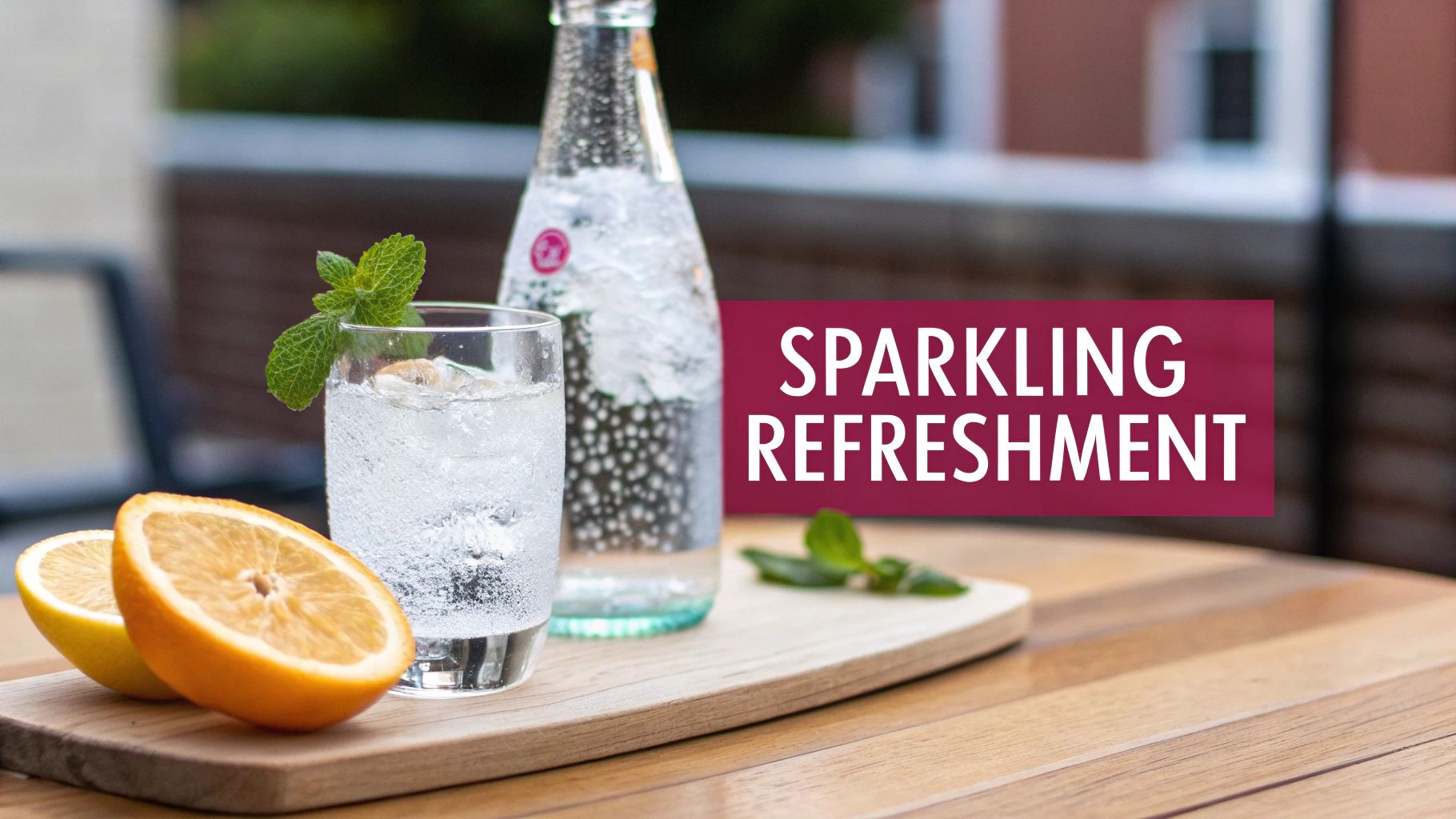
The appeal lies in its simplicity and versatility. It effectively mimics the sensory experience of a carbonated alcoholic beverage, fulfilling the ritualistic aspect of having a special drink in hand at parties, dinners, or while unwinding after a long day. High-end bars and restaurants now frequently feature artisanal sparkling waters and elaborate mocktails built around them, proving their place as a legitimate, enjoyable choice.
How to Best Enjoy Sparkling Water
- Elevate the Experience: Serve it chilled in a wine glass or a highball tumbler. The right glassware can make it feel more like a deliberate, celebratory choice rather than just a substitute.
- Add Fresh Garnishes: A squeeze of lime, a sprig of mint, a few muddled berries, or a slice of cucumber can transform a simple can of seltzer into a craft mocktail.
- Protect Your Teeth: The acidity from carbonation can affect tooth enamel over time. Using a straw can help minimize direct contact with your teeth.
- Read the Label: Opt for brands that use real fruit extracts or essences for flavor, and avoid those with added sugars or artificial sweeteners.
2. Mocktails (Non-Alcoholic Cocktails)
For those who appreciate the craft and complexity of a traditional cocktail, mocktails offer a sophisticated and flavorful alternative. These non-alcoholic cocktails have evolved far beyond simple juice mixes, now featuring intricate flavor profiles built from fresh juices, house-made syrups, aromatic bitters, and premium non-alcoholic spirits. Brands like Seedlip and Ghia have pioneered this space, providing complex, distilled botanicals that serve as the perfect base for an elegant drink, making mocktails one of the most exciting healthy alternatives to drinking alcohol.
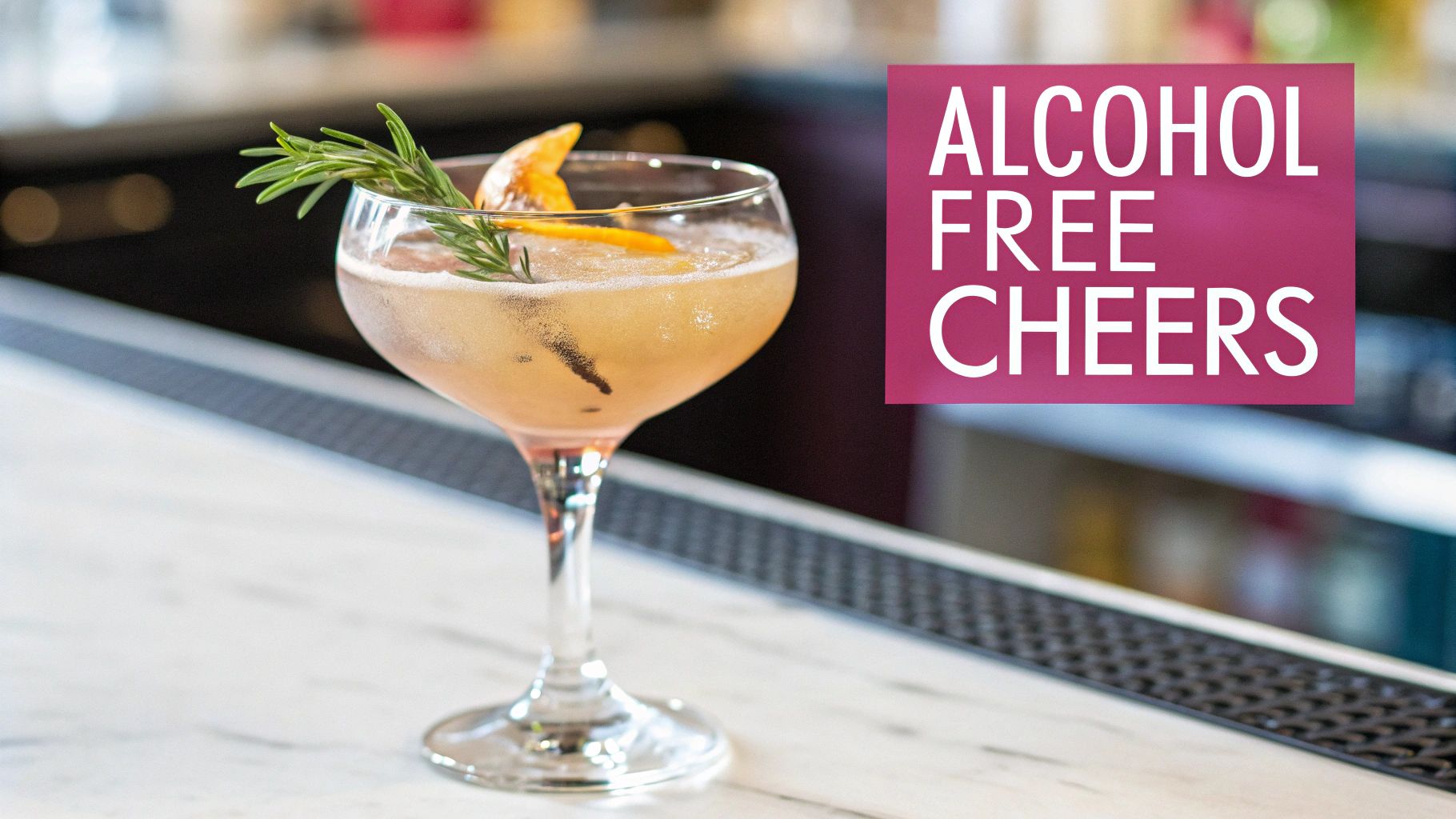
The rise of mocktails is a direct response to a growing demand for mindful drinking options that don't sacrifice taste or social experience. Top bars and restaurants now boast dedicated mocktail menus, showcasing the creativity of mixologists who treat these creations with the same respect as their alcoholic counterparts. This shift ensures that choosing not to drink is a celebratory act, complete with beautiful presentation and deep, satisfying flavors.
How to Best Enjoy Mocktails
- Invest in Quality Ingredients: The key to a great mocktail is high-quality components. Use fresh-squeezed citrus juice, premium tonic or soda, and consider making your own simple syrups infused with herbs like rosemary or lavender.
- Explore Non-Alcoholic Spirits: Experiment with non-alcoholic spirits from brands like Seedlip, Ghia, or Lyre's. They provide the botanical complexity and bitterness that often define a classic cocktail, without the alcohol.
- Master the Garnish: Presentation is crucial. Use elegant glassware and elevate your drink with fresh garnishes like a sprig of thyme, an orange twist, edible flowers, or a dehydrated citrus wheel.
- Learn a Few Classics: Start with alcohol-free versions of a Mojito, Margarita, or Gin and Tonic. Once you master the basics, you can experiment with your own unique flavor combinations.
3. Regular Exercise and Fitness Activities
Engaging in regular physical activity is a powerful way to manage stress and elevate your mood, directly addressing many of the reasons people reach for an alcoholic drink. Exercise triggers the release of endorphins, the body's natural "feel-good" chemicals, which can produce a sense of euphoria often compared to a "runner's high." This makes fitness one of the most effective healthy alternatives to drinking alcohol, as it replaces the temporary relief from a drink with a sustainable, health-promoting high.

The social aspect of fitness also provides a compelling alternative to bar culture. Communities built around platforms like Peloton, CrossFit boxes, or local running clubs offer connection, accountability, and a shared sense of purpose. Instead of meeting for happy hour, you can meet for a group class or train for a 5K, fulfilling the need for social interaction while actively improving your physical and mental well-being.
How to Best Enjoy Exercise as an Alternative
- Find Your Fun: Don't force yourself into a workout you dislike. Explore different activities like dancing, hiking, cycling, or team sports until you find something that feels like a reward, not a chore.
- Schedule It In: Treat your workouts like non-negotiable appointments. Blocking off time in your calendar, especially during times you would normally drink, helps build a consistent and reliable new habit.
- Incorporate Variety: To complement cardio and prevent injuries, it's also important to incorporate diverse forms of exercise, such as essential strength training exercises.
- Set Clear Goals: Aim for specific, measurable achievements, like running a certain distance or lifting a new personal best. Tracking this progress provides a powerful sense of accomplishment that alcohol cannot replicate.
4. Meditation and Mindfulness Practices
For many, alcohol serves as a tool to quiet a busy mind or escape from daily stress. Meditation and mindfulness offer a powerful, substance-free method to achieve the same sense of calm and mental clarity. These practices train the brain to focus on the present moment, helping to regulate emotions and reduce the impulsive urge to reach for a drink. As a healthy alternative to drinking alcohol, mindfulness addresses the root cause of cravings rather than just masking them.

The effectiveness of these techniques is supported by programs like Mindfulness-Based Relapse Prevention (MBRP), which are clinically integrated into addiction recovery. By building emotional resilience, you gain the ability to navigate feelings of anxiety or stress without relying on alcohol. For those seeking to further enhance their inner peace, exploring practices like meditating with crystals to enhance focus and mindfulness can unlock deeper levels of focus and mindfulness.
How to Best Practice Meditation and Mindfulness
- Start Small: Begin with just five minutes of guided meditation each day. Consistency is more important than duration, especially when you are forming a new habit.
- Use Technology: Leverage popular apps like Headspace, Calm, or Insight Timer. They provide structured guidance, making it easy for beginners to start.
- Focus on Your Breath: When cravings arise, practice simple breathing exercises like the 4-7-8 breath. This technique can quickly calm your nervous system.
- Observe Without Judgment: Instead of fighting an urge to drink, mindfully acknowledge it. Observe the feeling as a temporary sensation that will pass, which disarms its power over you.
5. Social Support Groups and Community Connection
For many, drinking is deeply intertwined with social connection. Shifting away from alcohol requires finding new communities that offer support, accountability, and a sense of belonging. Social support groups, both formal and informal, provide a powerful framework for this transition, addressing the emotional and social needs that alcohol once filled. They offer a space where shared experiences reduce feelings of isolation and provide practical, peer-driven strategies for navigating sobriety.
The value of these communities lies in their ability to normalize the sober experience and offer genuine understanding. Groups like Alcoholics Anonymous (AA), SMART Recovery, and online forums such as Reddit's r/stopdrinking create an environment where individuals can be open about their challenges and successes without judgment. This communal reinforcement is a critical tool, making community connection one of the most effective healthy alternatives to drinking alcohol for long-term change.
How to Best Engage with Support Groups
- Explore Different Formats: Don't feel locked into one type of group. Try AA for a spiritual-based program, SMART Recovery for a cognitive-behavioral approach, or Refuge Recovery if you connect with Buddhist principles. Finding the right philosophy is key.
- Find Your Tribe: The connection with the people in the group is just as important as the program itself. Attend several different meetings, even within the same organization, to find a group where you feel comfortable and understood.
- Engage Actively: Passive attendance is less effective than active participation. Share your story when you're ready, listen intently to others, and consider getting an accountability partner or sponsor to guide you.
- Leverage Online Communities: If in-person meetings are not accessible or comfortable, online communities offer 24/7 support. They can be a great supplement to traditional meetings or a primary source of connection for those in remote areas.
6. Therapy and Counseling (Professional Mental Health Support)
For those whose drinking is tied to deeper issues like anxiety, depression, or trauma, addressing the behavior alone is often not enough. Therapy and counseling offer a structured, professional space to uncover the root causes of alcohol use. This approach is a powerful healthy alternative to drinking alcohol because it focuses on building sustainable coping mechanisms and healing the underlying drivers, rather than just managing symptoms.
Working with a licensed professional provides personalized strategies tailored to your specific needs. Evidence-based methods like Cognitive Behavioral Therapy (CBT) have shown significant success rates for alcohol use disorder by helping individuals reframe negative thought patterns. Similarly, modalities like Dialectical Behavior Therapy (DBT) and EMDR equip individuals with tools for emotional regulation and trauma processing, addressing the core reasons someone might turn to alcohol for relief.
How to Best Utilize Therapy and Counseling
- Find the Right Fit: Use resources like the Psychology Today directory or your insurance provider's network to find a therapist. Don't be afraid to consult with a few different professionals to find someone you connect with.
- Specify Your Needs: When searching, look for specialists in addiction, substance use, or the specific mental health challenges you're facing. Platforms like BetterHelp or Talkspace can be great, accessible options.
- Set Clear Goals: Work with your therapist to establish specific, measurable goals for your journey. This provides direction and helps you track progress.
- Be Open and Honest: The more transparent you are about your triggers, struggles, and successes, the more effective your sessions will be. Therapy is a safe, non-judgmental space.
7. Creative Expression and Artistic Activities
Engaging in creative pursuits offers a profound way to channel energy, process emotions, and find fulfillment, making it one of the most constructive healthy alternatives to drinking alcohol. Activities like painting, writing, playing music, or crafting can induce a "flow state," a deep state of focus and enjoyment. This mental immersion triggers the release of neurochemicals like dopamine, providing a natural sense of reward and pleasure similar to what some seek from alcohol, but with the added benefit of building lasting skills and self-esteem.
This alternative isn't just a distraction; it's a form of active self-care and emotional processing. Instead of numbing feelings, creativity provides a safe outlet to explore and express them. Many recovery programs integrate art therapy for this very reason, as it helps individuals build new, healthy coping mechanisms. The sense of accomplishment from finishing a project, whether a song or a piece of pottery, offers a sustainable boost to one's identity and well-being, replacing the temporary high of a drink with something tangible and meaningful.
How to Best Enjoy Creative Expression
- Follow Your Curiosity: Choose an activity that genuinely interests you, not what you think you should do. If painting seems intimidating, try journaling, photography, or even gardening.
- Start Small and Accessible: You don't need expensive supplies to begin. Use a simple notebook for writing, download a free music production app, or join a low-cost community art class.
- Focus on Process, Not Perfection: The goal is to enjoy the act of creating, not to produce a masterpiece. Let go of self-criticism and allow yourself to experiment and make mistakes.
- Join a Community: Connecting with others who share your creative interests, either online or in person, provides social connection, accountability, and a supportive space to share your work.
8. Herbal Tea and Caffeine-Free Warm Beverages
For those who associate an evening drink with warmth, comfort, and relaxation, herbal tea offers a deeply satisfying and restorative alternative. These caffeine-free infusions use botanicals, roots, and flowers to create a soothing experience that can calm the nervous system, much like the initial effect of alcohol but without any of the negative health consequences. Brands like Traditional Medicinals and Yogi Tea have mastered blends designed for specific moods, making these warm beverages a perfect healthy alternative to drinking alcohol for winding down.
The power of this alternative lies in its ritualistic nature. The act of boiling water, steeping the leaves, and cradling a warm mug creates a mindful pause that effectively signals to the brain that it's time to relax. Herbs like chamomile, passionflower, and valerian root are renowned for their calming properties, directly addressing the need for stress relief that often leads people to pour a drink. This makes herbal tea not just a replacement, but an upgrade for a nightly unwinding routine.
How to Best Enjoy Herbal Tea
- Create a Ritual: Designate a special mug and a specific time for your tea. Pair this moment with a relaxing activity like reading, journaling, or listening to quiet music to strengthen the association with tranquility.
- Invest in Quality: Explore loose-leaf teas and a good infuser. The quality of the ingredients can significantly enhance both the flavor and the therapeutic benefits of your beverage.
- Target Your Needs: Choose blends specifically formulated for your goals, whether it's promoting sleep (chamomile, lavender), easing anxiety (lemon balm), or aiding digestion (peppermint, ginger).
- Enhance the Flavor: Add a spoonful of raw honey, a slice of fresh lemon, or a piece of ginger to customize your tea and add further health benefits.
- Be Mindful of Interactions: Always research the properties of specific herbs, especially if you are pregnant, nursing, or taking any medications, to ensure they are safe for you.
9. Volunteer Work and Service to Others
Shifting focus from internal struggles to external contribution is a powerful, healthy alternative to drinking alcohol. Engaging in volunteer work channels energy into positive action, fostering a sense of purpose, community connection, and self-worth that can be difficult to find elsewhere. This approach directly addresses the underlying needs for meaning and social belonging that people sometimes seek to fulfill with alcohol, replacing a destructive habit with a constructive one.
The benefit of service lies in its ability to build a new identity rooted in contribution. Whether mentoring a young person, caring for animals at a shelter, or helping at a local food bank, these activities create tangible, positive impacts. This not only builds self-esteem but also provides a structured, sober environment to meet like-minded individuals, offering a profound sense of fulfillment that alcohol cannot replicate.
How to Best Engage in Volunteer Work
- Follow Your Passion: Choose a cause that genuinely resonates with you, whether it's environmental conservation, animal welfare, or community support. Your enthusiasm will make the commitment more rewarding.
- Start Small: Begin with a manageable time commitment, such as two to four hours a week. This helps build a sustainable habit without feeling overwhelmed.
- Use Matching Platforms: Websites like VolunteerMatch.org and Idealist.org can help you find local opportunities that align with your interests and skills.
- Seek Social Connection: Opt for roles that involve teamwork or interaction with others. Building new, positive social circles is a key benefit of volunteering as an alternative to drinking.
10. Nature Immersion and Outdoor Activities
Swapping a happy hour for time in nature offers a profound shift in mental and physical well-being. Engaging in outdoor activities like hiking, gardening, or even a simple walk in a park provides a powerful, healthy alternative to drinking alcohol by reducing stress and improving mood. This approach taps into our innate connection with the natural world, triggering neurological responses that calm the nervous system and offer a sense of grounding without the need for any substance.
The concept of "forest bathing" (shinrin-yoku) is supported by research showing that just 20-30 minutes in a natural setting can significantly lower cortisol levels. Instead of masking stress with alcohol, nature immersion addresses it at its root. It replaces the ritual of drinking with a new, healthier one that provides physical activity, fresh air, and meaningful sensory experiences that foster genuine relaxation and mental clarity. This makes it an especially effective strategy when feeling stressed or experiencing an urge to drink.
How to Best Enjoy Nature Immersion
- Start Small and Local: You don't need a national park. Begin with a 20-minute walk in a nearby park, a local garden, or along a tree-lined street. Consistency is more important than intensity.
- Practice Mindful Observation: Engage your senses. Notice the feeling of the breeze, the sounds of birds, the scent of pine trees, or the texture of a leaf. This practice, known as forest bathing, deepens the restorative effects.
- Join a Community: Connect with others by joining a local hiking club, a trail running group, or a community garden. This combines the benefits of nature with social connection, another powerful tool for well-being.
- Schedule Your Nature Time: Treat it like an important appointment. Block out time in your calendar for a weekly hike or daily walk to ensure it becomes a regular, non-negotiable part of your routine.
10 Healthy Alcohol Alternatives Comparison
| Item | Implementation Complexity 🔄 | Resource & Time ⚡ | Expected Outcomes ⭐📊 | Ideal Use Cases 💡 | Key Advantages ⭐ |
|---|---|---|---|---|---|
| Sparkling Water with Natural Flavoring | Low — buy & serve | Low cost, minimal prep | ⭐⭐ Immediate sensory satisfaction; hydration | Casual social settings, alcohol-free toasts | Hydrating; zero alcohol; inexpensive; versatile garnish |
| Mocktails (Non-Alcoholic Cocktails) | Medium — recipes & techniques | Moderate (ingredients, tools, possible bar price) | ⭐⭐⭐ Cocktail-like complexity and social parity | Bars, celebrations, sober-curious guests | Sophisticated flavor; customizable; preserves ritual |
| Regular Exercise and Fitness Activities | Medium — habit formation required | Time commitment; low–medium equipment cost | ⭐⭐⭐⭐ Sustained mood lift, better sleep, long-term health | Long-term relapse prevention, stress management | Endorphin-driven mood gains; physical health benefits; community |
| Meditation and Mindfulness Practices | Low–Medium — learning curve for consistency | Very low cost (time; apps optional) | ⭐⭐⭐⭐ Reduces cravings and anxiety; improves self-regulation | Immediate urge management, daily stress reduction | Evidence-based; portable; low-cost; immediate coping tool |
| Social Support Groups and Community Connection | Medium — finding right fit; vulnerability needed | Low cost; regular time commitment | ⭐⭐⭐⭐ Increased accountability; higher long-term sobriety rates | Recovery programs, ongoing accountability and belonging | Peer support; structure; high relapse-prevention impact |
| Therapy and Counseling (Professional Support) | Medium–High — professional search & commitment | Higher cost/time; possible insurance needs | ⭐⭐⭐⭐ Targeted treatment of root causes; evidence-based outcomes | Co-occurring disorders, trauma, personalized treatment plans | Personalized, evidence-based care; treats underlying issues |
| Creative Expression and Artistic Activities | Low–Medium — skill development over time | Low cost to start; classes/materials optional | ⭐⭐⭐ Emotional processing; flow state; identity building | Stress relief, journaling emotions, building new hobbies | Emotional outlet; skill-building; sense of accomplishment |
| Herbal Tea and Caffeine-Free Warm Beverages | Low — simple preparation | Low cost; minimal equipment | ⭐⭐ Soothing ritual; mild calming effects | Evening wind-down, ritual replacement for drinking | Calming ritual; sleep support; inexpensive and accessible |
| Volunteer Work and Service to Others | Medium — find right opportunity | Low–medium time commitment | ⭐⭐⭐ Builds purpose, social connection, self-worth | Purpose-seeking, community reintegration, meaningful activity | Creates purpose; social bonds; measurable positive impact |
| Nature Immersion and Outdoor Activities | Low — accessible with planning | Low cost; time and location dependent | ⭐⭐⭐⭐ Rapid stress reduction; mood and physiological benefits | Immediate stress relief, combining exercise and mindfulness | Free/low-cost; fast anxiety reduction; physical + mental gains |
Crafting Your Alcohol-Free Lifestyle: The Journey Forward
Embarking on a journey to find healthy alternatives to drinking alcohol is not about deprivation; it's a powerful act of self-discovery and empowerment. Throughout this guide, we've explored a diverse toolkit designed to help you build a more mindful and fulfilling lifestyle, one where alcohol is no longer the automatic choice for relaxation, celebration, or social connection. The path forward is uniquely yours, paved with the choices that resonate most deeply with your personal goals and well-being.
Key Takeaways: A Holistic Approach
The most crucial insight is that sustainable change rarely comes from a single substitution. True success lies in a holistic approach that addresses both the physical habit of drinking and the underlying reasons for it.
- Beverage Swaps are Just the Start: Replacing your usual drink with a sparkling water, a complex mocktail, or a calming herbal tea is a fantastic first step. These options satisfy the ritualistic aspect of having a special beverage in hand.
- Behavioral Shifts are Essential: The real transformation happens when you pair these new drinks with meaningful activities. Integrating exercise, mindfulness, creative hobbies, or outdoor adventures provides the genuine stress relief, joy, and connection you may have previously sought from alcohol.
- Community and Connection Matter: Whether through therapy, support groups, or simply volunteering, strengthening your social fabric creates a resilient support system. Connection is a fundamental human need, and finding it in healthier ways is a cornerstone of lasting change.
Your Actionable Next Steps
Feeling inspired is one thing; taking action is another. The key is to start small and build momentum. Don't try to overhaul your entire life overnight. Instead, pick one or two ideas from this list that genuinely excite you and commit to trying them this week.
Perhaps you can start by stocking your fridge with ingredients for a new mocktail recipe. Maybe you will sign up for that yoga class you've been considering. Or you could simply decide to take a walk in nature the next time you feel the urge to pour a drink after a long day. The goal is not perfection but consistent, intentional effort.
Ultimately, embracing these healthy alternatives to drinking alcohol is about reclaiming your agency. It's about consciously designing a life that aligns with your values and supports your long-term health and happiness. You are not just giving something up; you are actively creating space for new experiences, deeper connections, and a more vibrant version of yourself. This journey is a testament to your strength and your commitment to living a life defined by presence, not absence.
Ready to elevate your alcohol-free experience with a sophisticated, ready-to-drink option? Explore Day Dreamer’s line of clean, hemp-derived THC and CBD sparkling waters, crafted to help you unwind and socialize without the downsides of alcohol. Discover your new favorite way to relax at Day Dreamer.


